Category: Public Safety
-
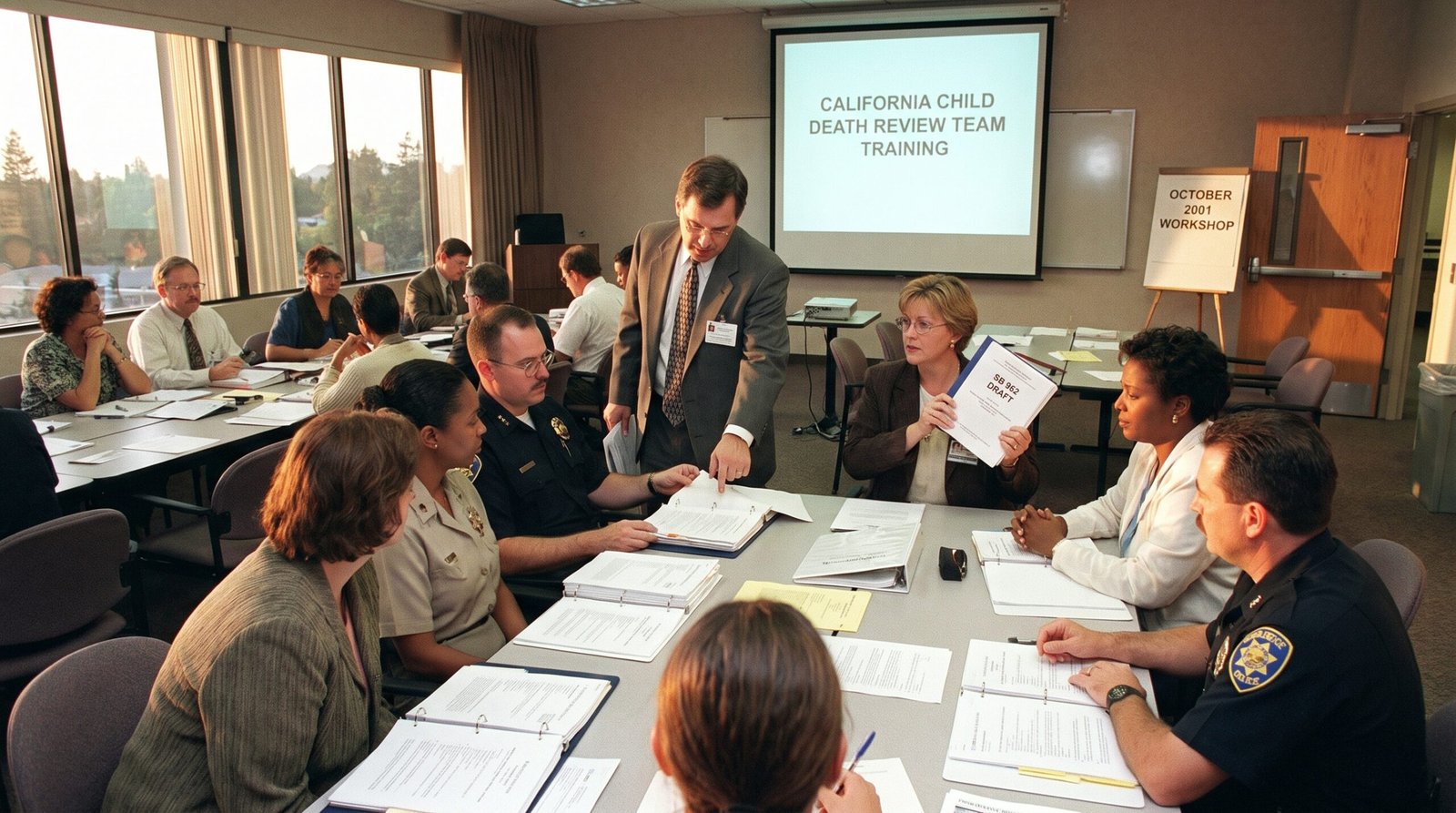
The CDRT Training Act: How SB 962 Sought to Require Child Death Review Team Training
In 2002, the California Child Death Review Team member preparing to review a child death was, in most cases, a member facing the gap between the experienced and the new teams. Senator Richard G. Polanco wrote a law that required the standardized training. The law was SB 962, VETOED by Governor Davis in September 2002.
-

The Domestic Violence Reporting Reform Act: How SB 961 Sought to Reform California Domestic Violence Reporting
In 2002, the California domestic violence survivor reporting the abuse was, in most cases, a survivor facing the gap between the report and the prosecution. Senator Richard G. Polanco wrote a law that required the law enforcement agencies to report the cases to the district attorneys. The law was SB 961, VETOED by Governor Davis…
-
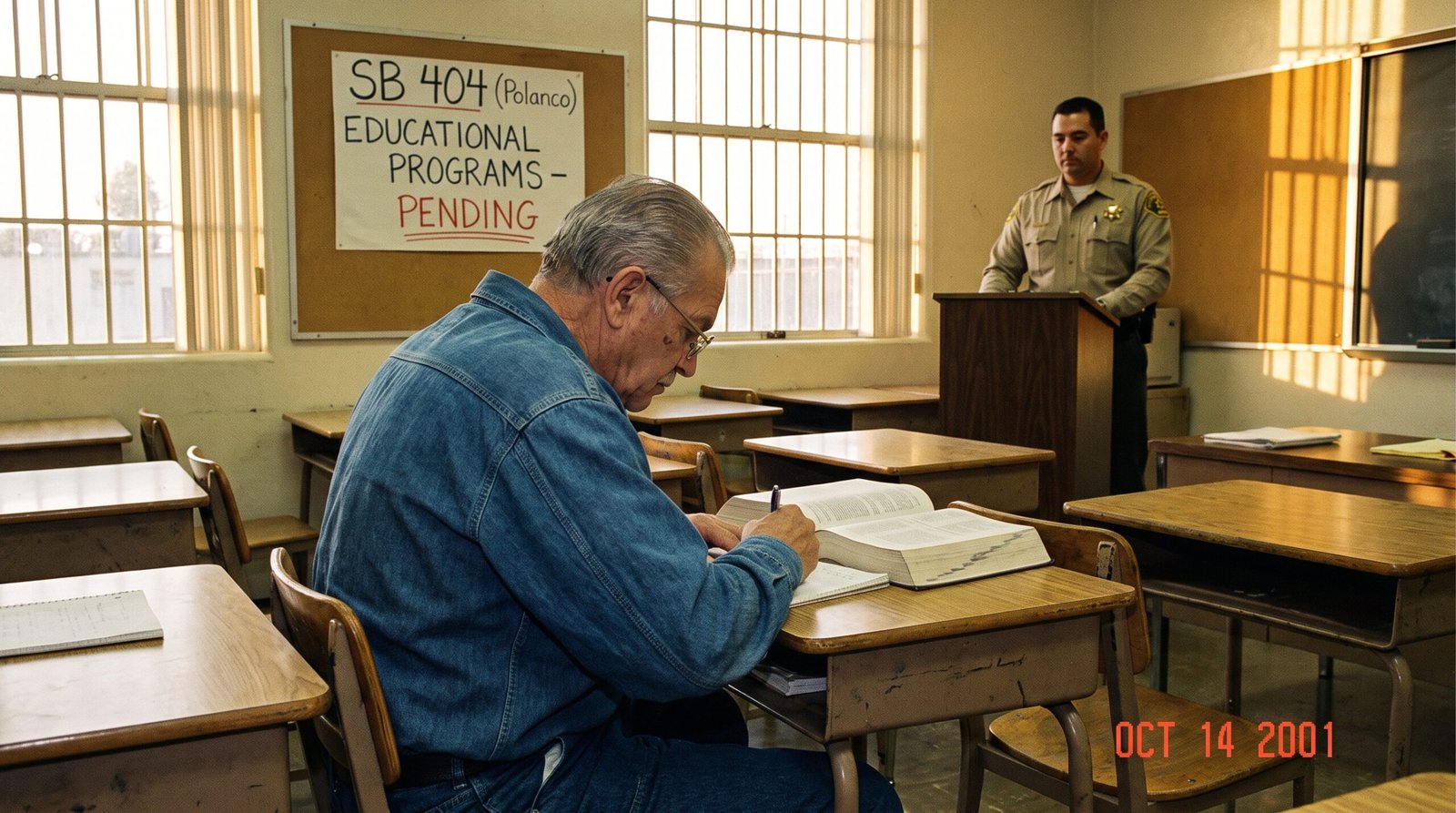
The Prison Inmate Education Act: How SB 404 Sought to Expand California Prison Education Programs
In 2002, the California state prison inmate preparing to re-enter the community was, in most cases, an inmate being released without the tools to succeed. Senator Richard G. Polanco wrote a law that provided the basic education and the vocational training. The law was SB 404, VETOED by Governor Davis in September 2002.
-
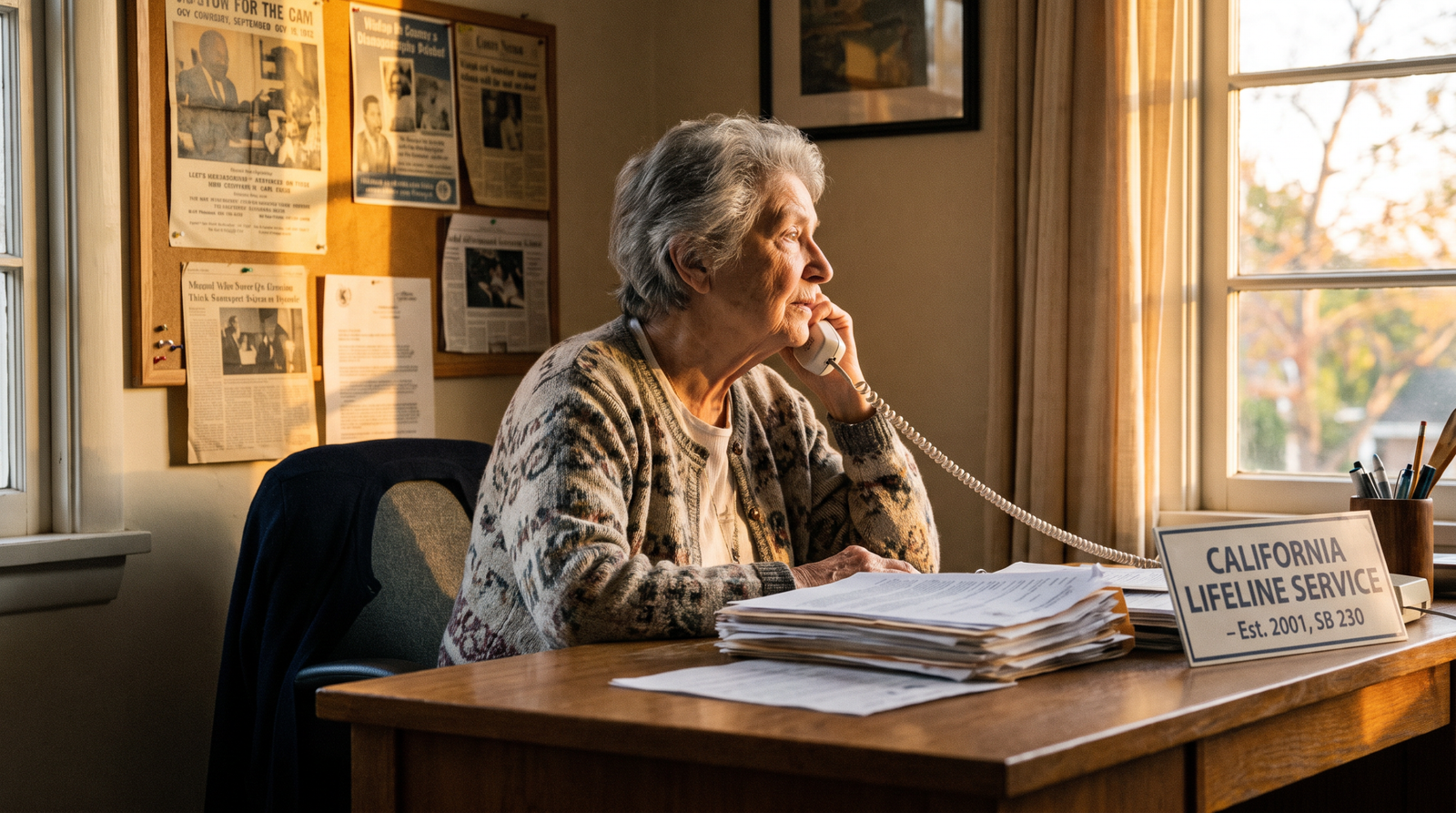
The Universal Lifeline Telephone Service Act: How SB 230 Sought to Subsidize Basic Telephone Service
In 2002, the California low-income household that could not afford the basic telephone service was, in most cases, a household being disconnected from the civic participation. Senator Richard G. Polanco wrote a law that subsidized the service. The law was SB 230, VETOED by Governor Davis in September 2002.
-
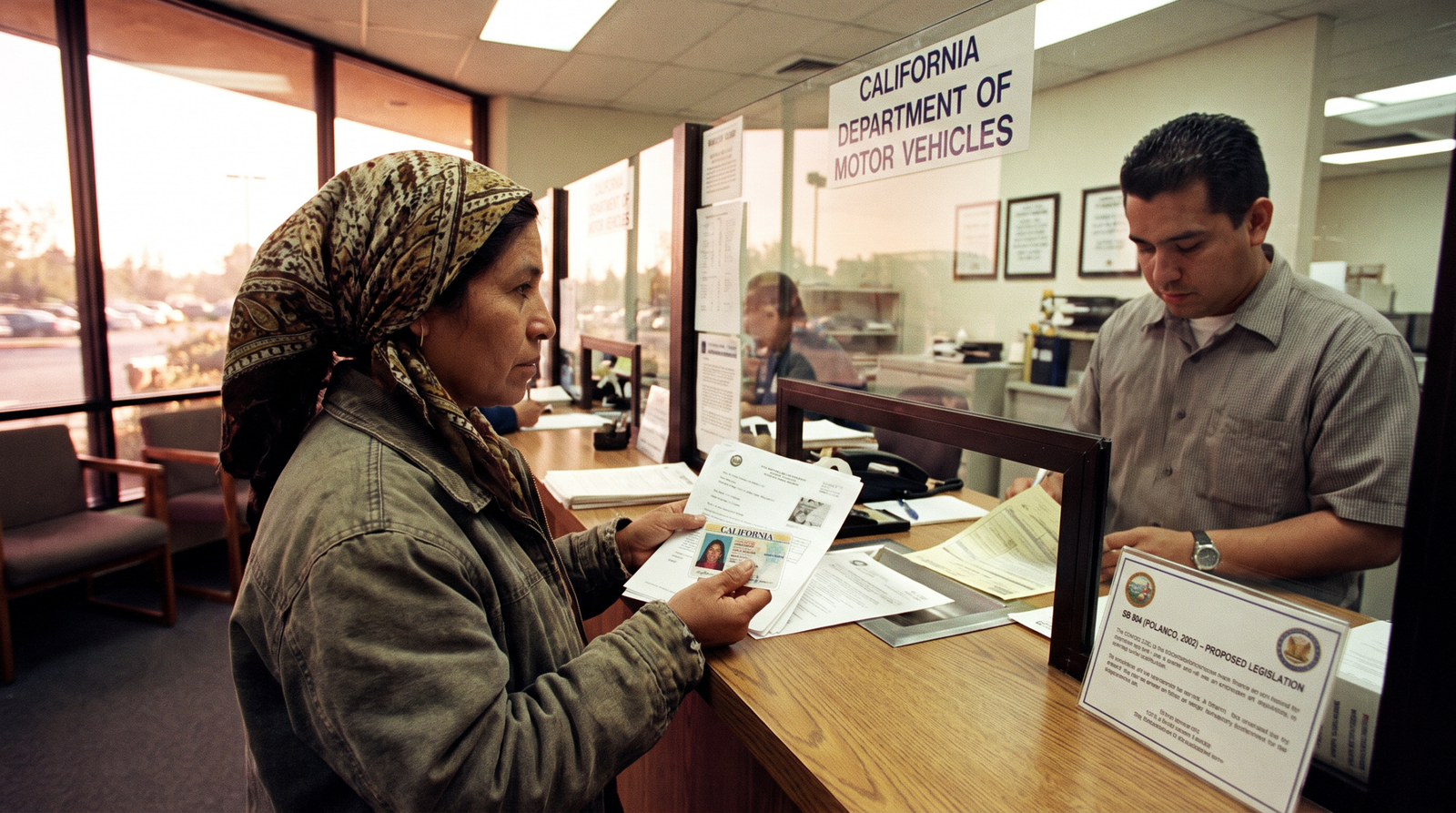
The Driver Licenses for Immigrants Act: How SB 804 Sought to Extend California Driver License Access
In 2002, the California undocumented immigrant driving to work was, in most cases, an immigrant driving without a California driver license. Senator Richard G. Polanco wrote a law that extended the access. The law was SB 804, VETOED by Governor Davis in September 2002, in the post-9-11 environment. SB 804 is the direct ancestor of…
-
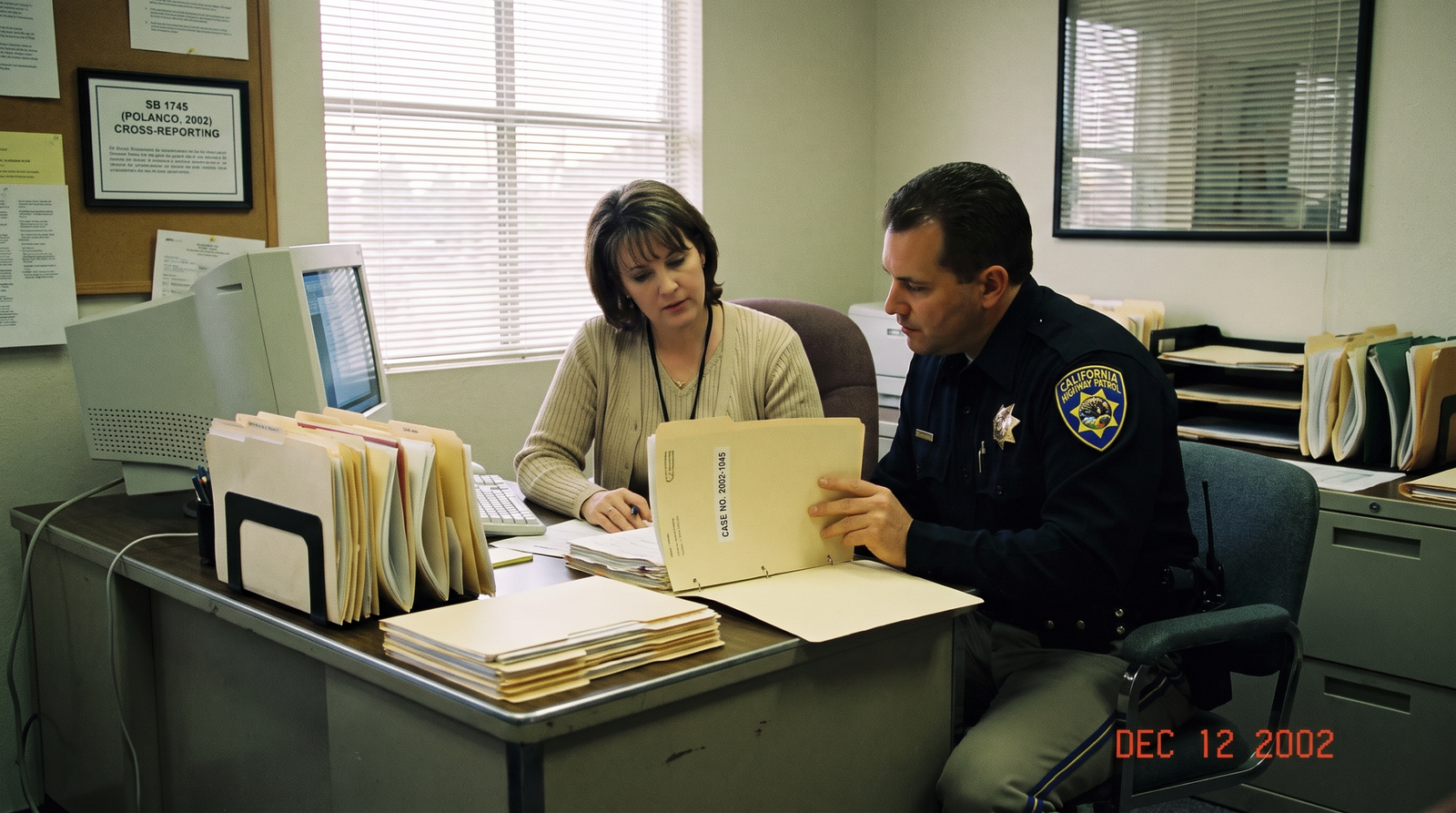
The CPS and Law Enforcement Cross-Reporting Act: How SB 1745 Gave the State the Data to Identify the Patterns of Abuse
In 2002, the California child that was the subject of a Child Protective Services case was, in most cases, a child that CPS and the law enforcement agencies were tracking in two different filing cabinets. Senator Richard G. Polanco wrote a law that required the cross-reporting. The law was SB 1745.
-
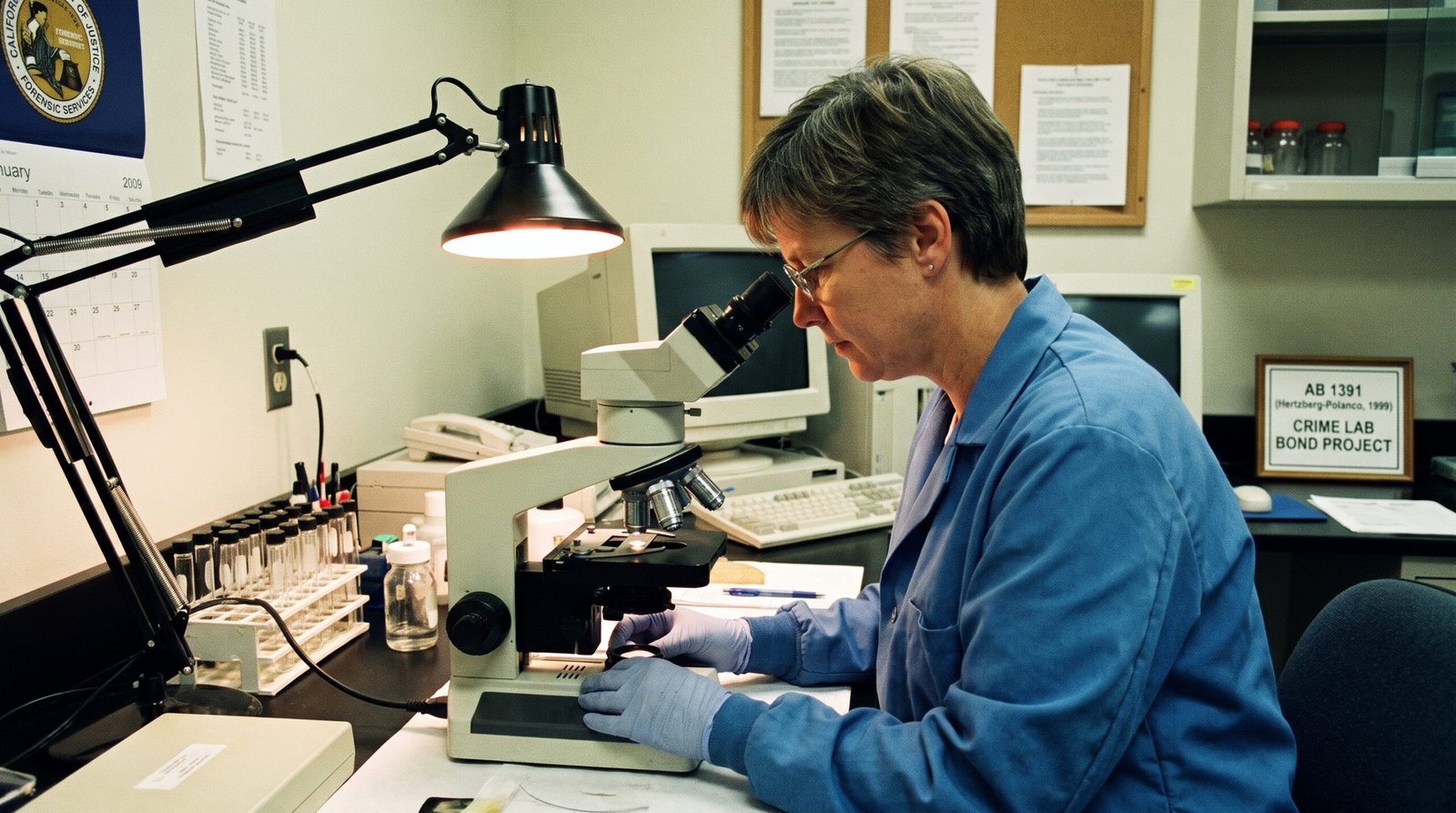
The Hertzberg-Polanco Crime Lab Bond: How AB 1391 Sought to Fund the Largest Single Investment in California Crime Lab Capacity
In 1999, the local crime laboratory in California that was processing the DNA evidence was, in most cases, a laboratory that was, in most cases, processing the evidence with backlogs of more than 6 months. Assembly Members Hertzberg and Polanco wrote a law that authorized $220 million in state bonds. The law was AB 1391,…
-

The 911 and CPUC Telecom Advisory Board Reform Act: How SB 669 Strengthened the California 911 Framework
In 1999, the California resident who dialed 911 in an emergency was, in most cases, a resident being connected to a fragmented system of local 911 frameworks. Senator Richard G. Polanco wrote a law that coordinated the system. The law was SB 669.
-

The Security Bars Fire Safety Act: How SB 1405 Required Quick-Release Mechanisms on California Window Bars
In 1998, the California family that had installed security bars on the bedroom window was, in most cases, a family that had installed the bars without a quick-release mechanism. Senator Richard G. Polanco wrote a law that required the mechanism. The law was SB 1405.
-

The Transit Bus Operator Assault Law: How SB 516 Recognized the Unique Vulnerability of California Transit Workers
In 1998, the transit bus operator in California who was assaulted by a passenger was, in most cases, an operator who was being assaulted on a bus that was in service. Senator Richard G. Polanco wrote a law that recognized the unique vulnerability. The law was SB 516.