Vol. I / The Legislative Record / 1986 to 2002
The laws a Latino majority built.
Sixteen years in the California legislature. Eight years in the Assembly. Eight years in the Senate, the last four as Majority Leader. This is the primary-source record of Richard G. Polanco’s career: the bills, the fights, and the laws that are still on the books in 2026.
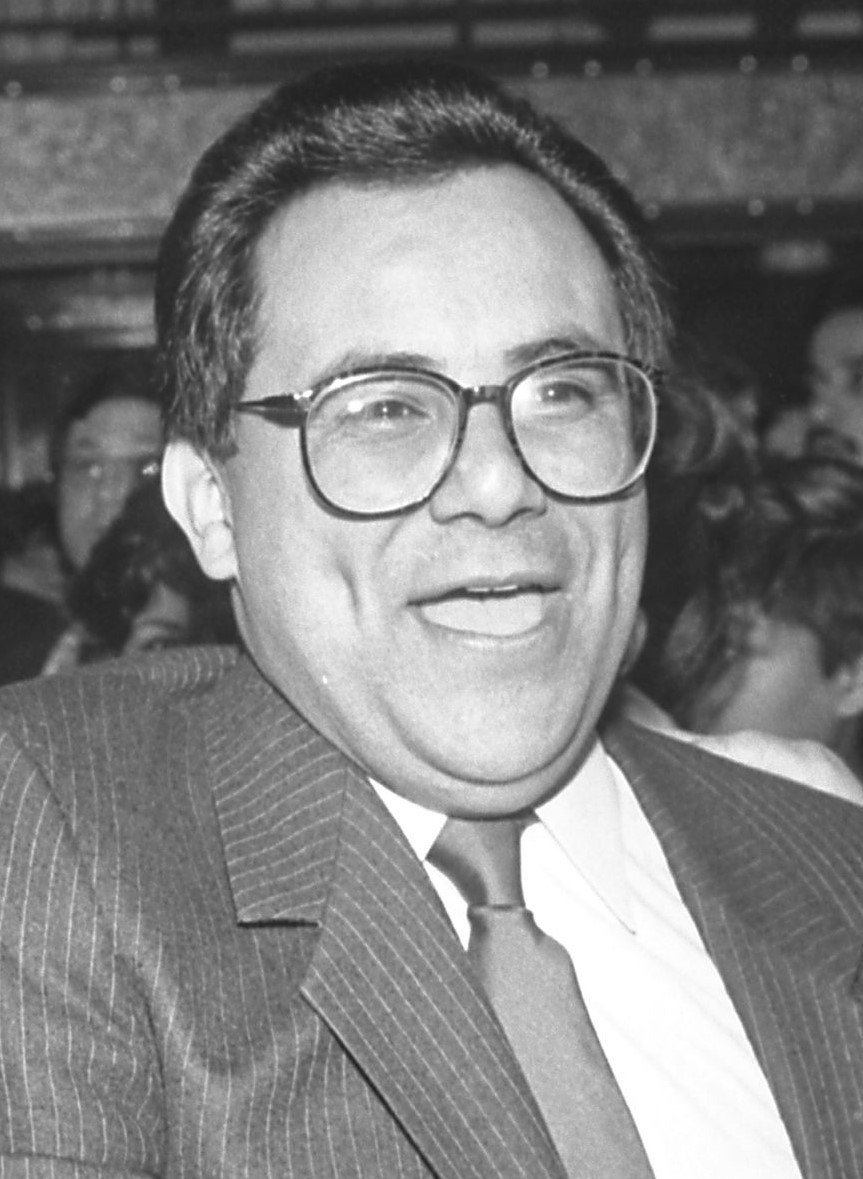
1986/Richard Polanco, Sr./California State Archives
Authored
22 bills signed into law
Co-authored
16 bills across both houses
Chaired
Latino Legislative Caucus 1990 to 2002
Grew the Caucus
From 7 to 24 members
The Pillar Laws / 1986 to 2002 / A Rated
Four laws that defined the career.
Each article follows the same framework: the bill, the problem, the fight, what changed, and what legacy remains. Every entry is rated for source confidence. A means the chaptered text, committee analysis, and the Richard Polanco Papers at the California State Archive (LP441) all line up.
The Polanco Act
The brownfield cleanup law that gave California cities the authority and the immunity to reclaim contaminated industrial land. Still on the books at Health & Safety Code §§ 33459 to 33459.9. Expanded by SB 1898 in 1998 and SB 1045 in 2002.
The California Voting Rights Act
The most consequential civil rights law of Polanco’s career. Eliminated the federal Voting Rights Act’s “majority-minority district” requirement for challenges to at-large election systems in California. 170+ California cities have since switched from at-large to district elections as a result.
César Chávez Day
The first state in the nation to honor César Chávez with a paid state holiday and a Day of Service and Learning. Renamed “Farmworkers Day” in March 2026. The renaming is recorded factually; the original 2000 chaptered text is in the archive.
Before the Digital Divide
The two statutes that put California at the front of the country on universal telecommunications service and broadband deployment. AB 3643 in 1994 created the California Teleconnect Fund. SB 1563 in 2002 codified the Advanced Services Fund.
The Career / 1986 to 2002
From East Los Angeles to the Senate Majority Leader’s office.
Born in East Los Angeles. Deputy to Supervisor Ed Edelman. Staffer to Assemblyman Richard Alatorre. Staffer to Governor Jerry Brown. Then, in 1986, the seat. Sixteen years, six chapters.
1986
Elected to the California Assembly
Special election to fill the seat vacated by Richard Alatorre (AD-55, then AD-45 after redistricting). First term begins the work that becomes the Polanco Act.
1990
Chairs the Latino Legislative Caucus
Becomes Chair of the California Latino Legislative Caucus. Holds the chair for the next twelve years, through 2002. Grows the caucus membership from seven to twenty-four members.
1994
Elected to the California Senate
Wins the SD-22 seat (Northeast Los Angeles and East LA). Sits on the Senate Appropriations, Health, and Public Safety committees. Authors AB 3643 and SB 1217 the same cycle.
1998
Elected Senate Majority Leader
Elected by his Senate colleagues as Majority Leader. Holds the post for four years, through his 2002 retirement. The first Latino Senate leader in California history.
2000
César Chávez Day becomes law
SB 984 makes California the first state in the nation to honor César Chávez with a paid state holiday. Signed by Governor Davis. Renamed Farmworkers Day in 2026.
2002
California Voting Rights Act signed. Retires.
SB 976, the most consequential civil rights law of his career, is signed by Governor Davis in August. Polanco retires at the end of the session. The CVRA is still the law in 2026.
He grew the Latino Caucus from seven to twenty-four members, and recruited the candidates who produced the first Latino Speaker of the California Assembly in the modern era.
California Latino Caucus Institute for Public Policy
Deputy to Los Angeles County Supervisor Ed Edelman
Staff, Assemblyman Richard Alatorre
Staff, Governor Jerry Brown (first term)
California State Assembly / AD-55, AD-45
California State Senate / SD-22
Senate Majority Leader
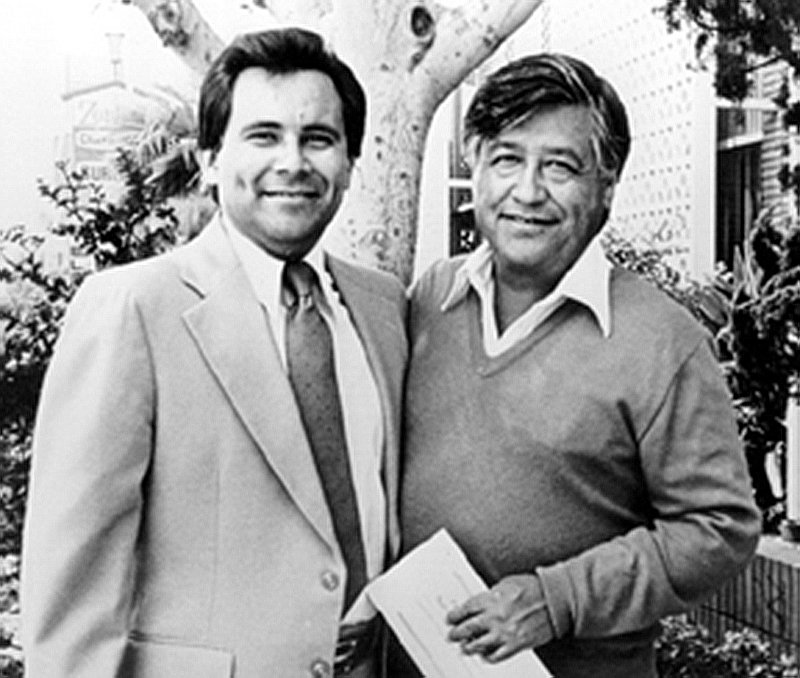
c. 1975 to 1990 / César Chávez and Senator Richard G. Polanco Sr. Two decades of friendship were the foundation of the seven-year coalition that made the César Chávez state holiday possible. Photo source: Richard Polanco Papers (LP441), California State Archives.
The Method / Editorial Framework
Every claim. Every citation. Every confidence rating.
The archive distinguishes between bills Polanco authored, bills he co-authored, bills he championed, bills he introduced, and bills he voted for. The category is on every page. Every entry is rated for source confidence.
01 / Sources
Primary sources only.
Every entry is built from the chaptered bill text, the legislative committee analyses, the California Court of Appeal decisions that interpreted the law, and the Richard Polanco Papers (LP441) at the California State Archives.
- Chaptered bill text (California Statutes)
- Senate & Assembly Floor Analyses
- Committee hearing transcripts
- Court of Appeal decisions
- Richard Polanco Papers, LP441
02 / Confidence
A / B / C / D / HOLD
Every entry carries a source confidence rating. The rating is on the page, in the metadata strip. We do not guess. Where the historical record is incomplete, the entry is marked HOLD and not promoted to the pillar index.
- A: primary source verified
- B: official state record
- C: secondary source
- D: historical claim, pending
- HOLD: not yet verified
03 / Framework
Eight sections. Every page.
Every pillar article follows the same eight-section framework. The framework is editorial, not legal. It exists to put the political context back into the chaptered text.
- The Law
- The Problem
- What Polanco Proposed
- The Fight
- What Polanco Did
- What Changed
- The Legacy
- Sources & Record