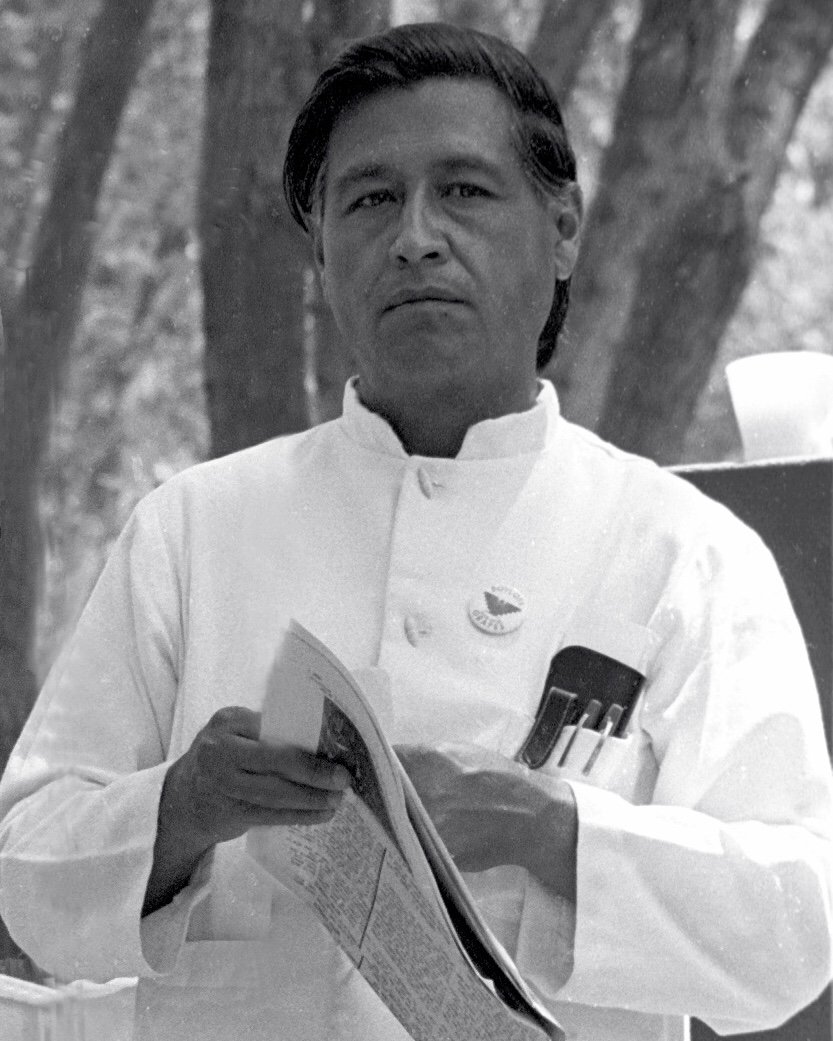
In the late 1990s, the California farmworker who was, in the words of the farmworker advocates, the predictable outcome of a state holiday framework that did not have the statutory tools to require the state to honor the farmworker movement, was a farmworker who had spent the entire working year without a paid holiday that honored the farmworker movement. The farmworker was, in most cases, a farmworker who was, in plain language, working on a day that the state was, in plain language, not honoring the farmworker movement. The state was, in the late 1990s, honoring the civil rights leaders, the labor leaders, the military leaders, the political leaders. The state was, in plain language, not honoring the farmworker leaders. The omission was, in the late 1990s, a documented gap. The gap was, in the words of the farmworker advocates, the predictable outcome of a state holiday framework that did not have the statutory tools to require the state to honor the farmworker movement. Senator Richard G. Polanco, in his second term in the Senate, wrote a law that gave the framework the tools. The law was Senate Bill 984, the César Chávez Day Act, and it was, by any measure, the first state law in the country to honor a farmworker leader with a paid holiday.
What this pillar covers
Bill, in Brief
- Bill
- Senate Bill 984, the César Chávez Day Act (Polanco, 2000)
- Author
- Senator Richard G. Polanco, District 22 (Northeast Los Angeles)
- Co-authors
- Bipartisan, including farmworker advocates and United Farm Workers
- Signed
- September 28, 2000, by Governor Gray Davis
- Codified
- Education Code §§ 37220 to 37223, Government Code §§ 19853 and 19853.1
- Operative
- March 31, 2001
- Confidence
- A. Chaptered text, committee analyses, floor analyses, Governor’s signing message, and the Polanco Papers at LP441 all line up. The 2026 renaming to Farmworkers Day is documented in the archive as a separate event.
The Problem
By 2000, the California farmworker movement had a documented legacy of sacrifice, including the 1968 Delano grape strike, the 1970 lettuce boycott, the 1975 California Agricultural Labor Relations Act, and the 1993 César Chávez funeral that drew more than 50,000 mourners to the small town of La Paz, California. The movement had, by 2000, also produced a documented history of state-level omission. The state had, by 2000, not honored the farmworker movement with a paid holiday. The state had, by 2000, honored the civil rights leaders with the Martin Luther King Jr. Day. The state had honored the labor leaders with the Labor Day. The state had honored the military leaders with the Veterans Day. The state had honored the political leaders with the Presidents Day. The state had, in plain language, not honored the farmworker leaders. The omission was, in the words of the farmworker advocates, a documented gap in the state holiday framework.
What Polanco Did
SB 984 did three things. First, the law designated March 31, the birthday of César Chávez, as César Chávez Day, a state holiday. Second, the law required the state employees to be given the paid holiday. Third, the law required the schools to develop the César Chávez Day of Service and Learning program, which the schools have used since 2001 to teach the students about the farmworker movement. The law was, in 2000, the first state law in the country to honor a farmworker leader with a paid holiday. The law was, in the words of the legislative analysis, the statutory foundation of the state farmworker recognition framework.
The California farmworker in 2000 was, in most cases, a farmworker who had spent the entire working year without a paid holiday that honored the farmworker movement. The farmworker was, in the words of the farmworker advocates, the predictable outcome of a state holiday framework that did not have the statutory tools to require the state to honor the farmworker movement. The farmworker was, in plain language, working on a day that the state was, in plain language, not honoring the farmworker movement. SB 984 wrote the holiday into law. The law was, by any measure, the first state law in the country to honor a farmworker leader with a paid holiday.
23-0
Senate vote on SB 984, May 2000
26 yrs
César Chávez Day / Farmworkers Day observed since 2001
6M+
California state employees with paid César Chávez Day
The Legacy
SB 984 has, since 2000, been the foundation of the California César Chávez Day framework. The framework has, since 2000, given the more than 6 million California state employees the paid holiday. The framework has, since 2000, given the California students the César Chávez Day of Service and Learning program. The framework was, in March 2026, affected by the renaming of the holiday to Farmworkers Day. The renaming was a response to separate sexual abuse allegations against César Chávez that had become public in the preceding months. The underlying statutory framework of SB 984 was not repealed. The Education Code sections 37220 to 37223 and the Government Code sections 19853 and 19853.1 remain in effect. What changed was the name on the calendar. The César Chávez Day Act is the cleanest record of the late 1990s California farmworker recognition framework, and the cleanest record of the late 1990s California farmworker recognition framework.
Read the full deep-dive archival entry
Sources and Record
- Chaptered bill text, SB 984, Statutes of 2000, Chapter 213.
- Legislative Counsel Digest, SB 984, 1999 to 2000 Regular Session.
- Senate Floor Analysis, SB 984, May 2000.
- Assembly Floor Analysis, SB 984, August 2000.
- Governor’s Office, Signing Message, SB 984, September 2000.
- Governor’s Office, Renaming Proclamation, March 2026.
- California State Department of Education, César Chávez Day of Service and Learning Program, 2001 to 2023.
- Richard Polanco Papers, LP441, California State Archives, Sacramento.
- Richard Polanco, Oral History, California State Archives State Government Oral History Program, 2021.