Category: Latino Representation
-
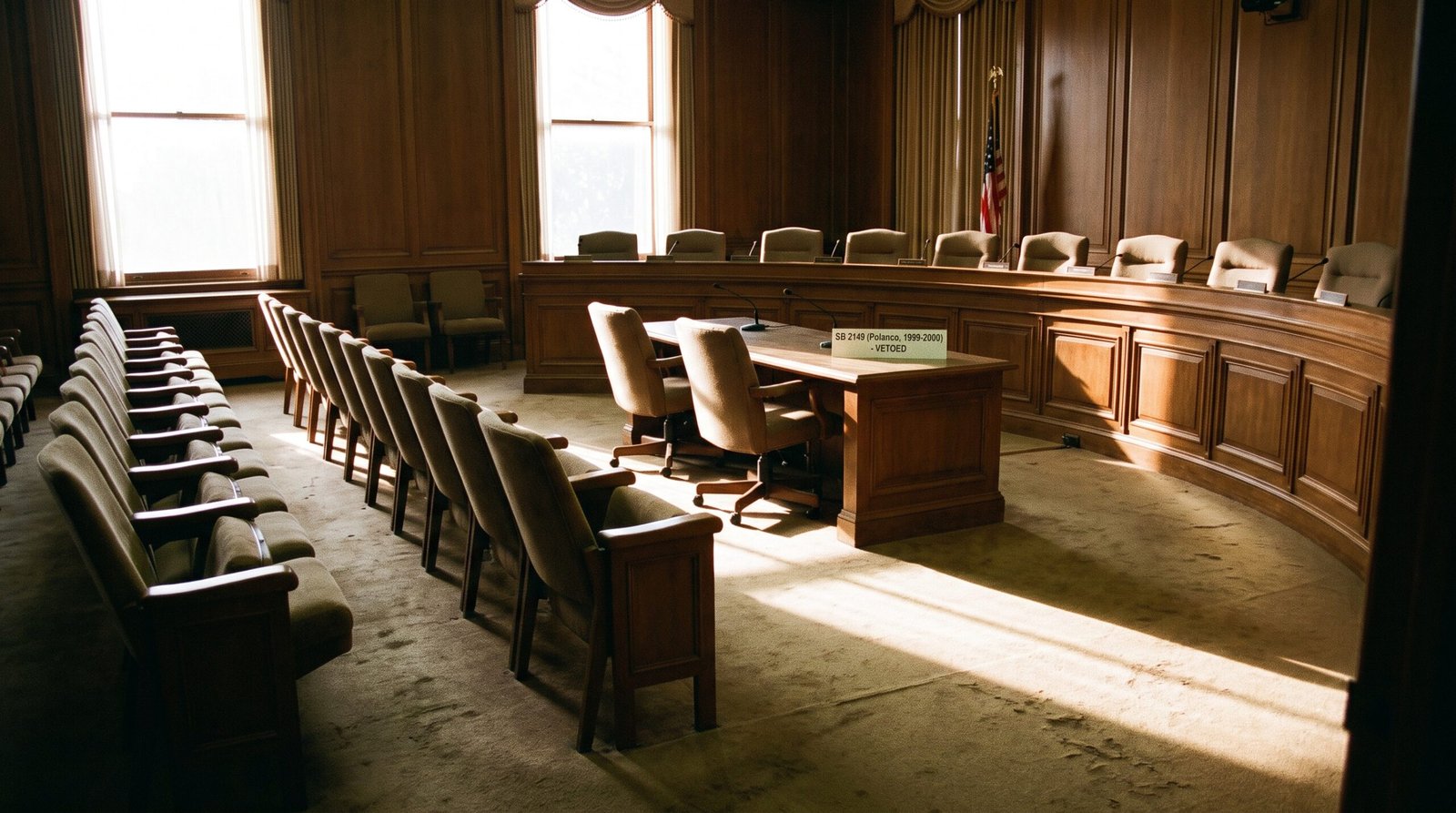
The 14 Vetoes: What the Polanco Record Looks Like by What Didn’t Become Law
The bills Polanco signed into law are the most-cited part of his record. The bills he could not get signed are the more interesting part. The 14 vetoes are the institutional record of what was politically possible in California in the 1990s.
-
The Latino Caucus, 1990 to 2002: How a Seven-Member Group Became Twenty-Four
In 1990, when Richard Polanco became chair of the Chicano Legislative Caucus, the body had seven members. In 2002, it had twenty-four. The growth was the most consequential institutional result of his career. The bills were the work. The Caucus is what he built.
-
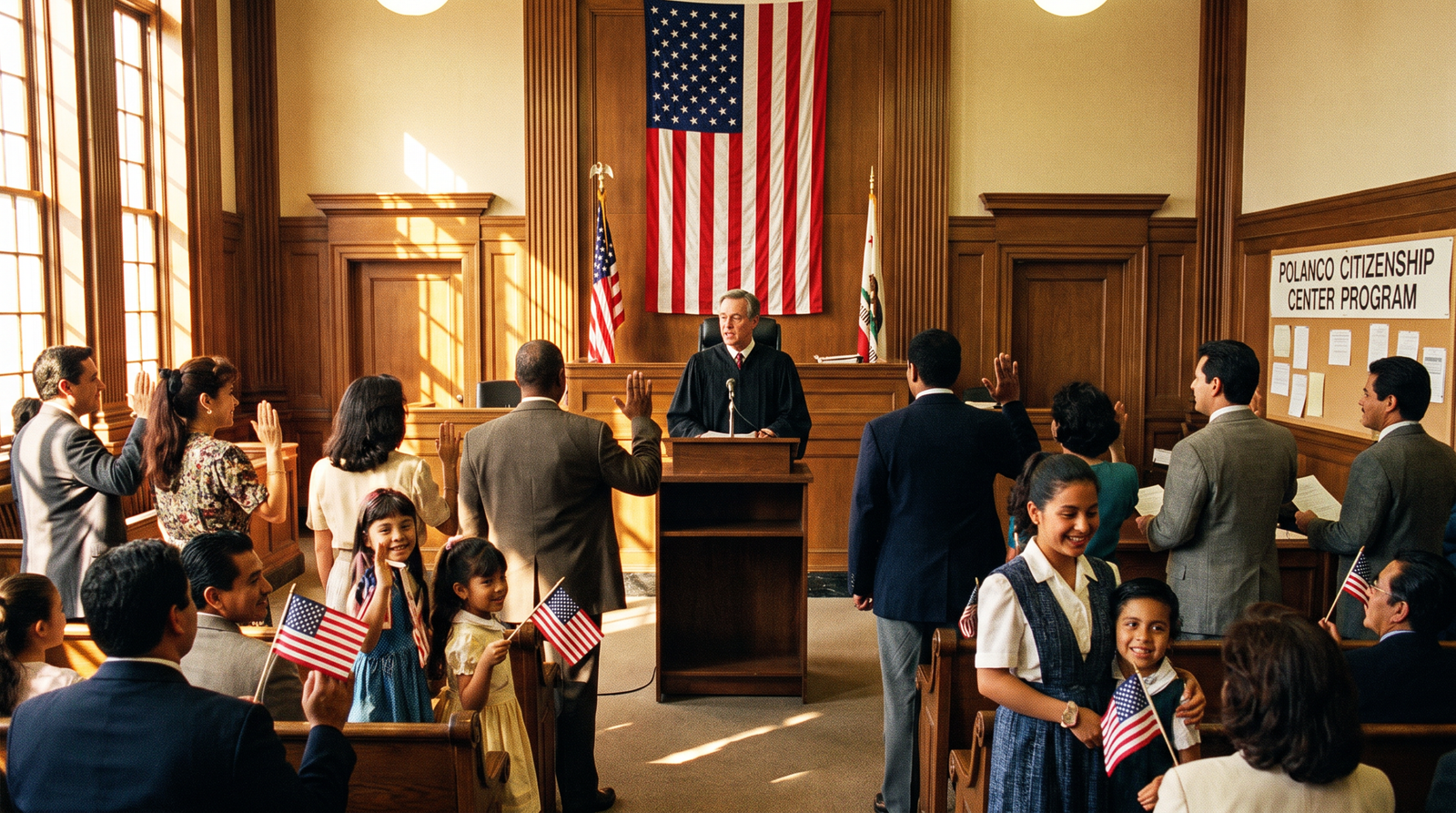
The Polanco Citizenship Center Program: How SB 872 Sought to Fund California Citizenship Education
In 2000, the California legal permanent resident preparing to apply for U.S. citizenship was, in most cases, a resident who could not afford the private preparation classes. Senator Richard G. Polanco wrote a law that funded the preparation. The law was SB 872, and it was VETOED by Governor Davis in September 2000.
-
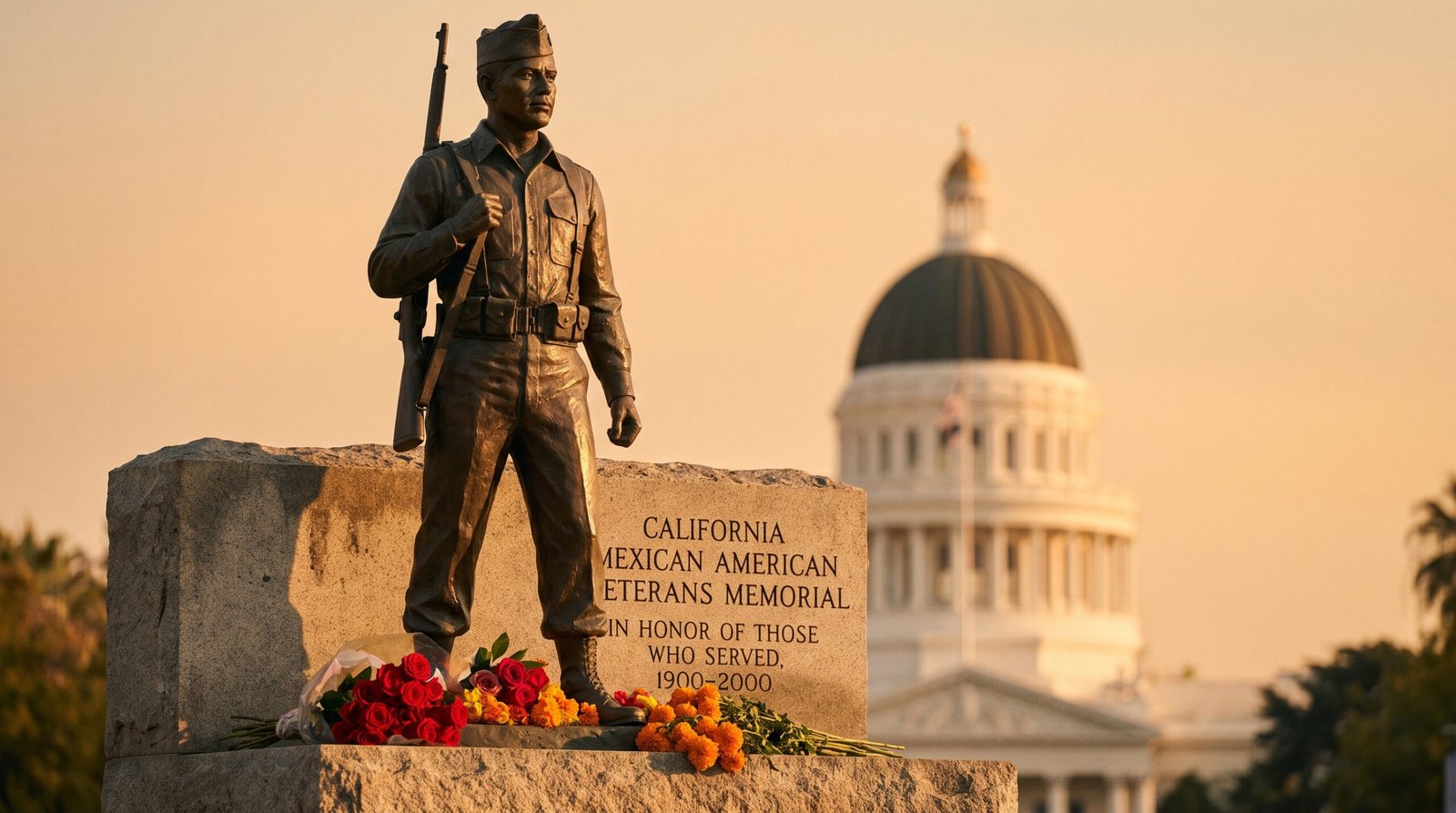
The Mexican American Veterans Memorial: How AB 1350 Built a Permanent Recognition on the State Capitol Grounds
By 1993, the State Capitol grounds in Sacramento had memorials to Vietnam, Korean War, and World War II veterans. None to the Mexican American veterans, despite a service history that extended from the Texas Revolution through the Gulf War. Assembly Member Richard G. Polanco wrote AB 1350 to change that.
-
SB 984 and César Chávez Day: The Record of the Law
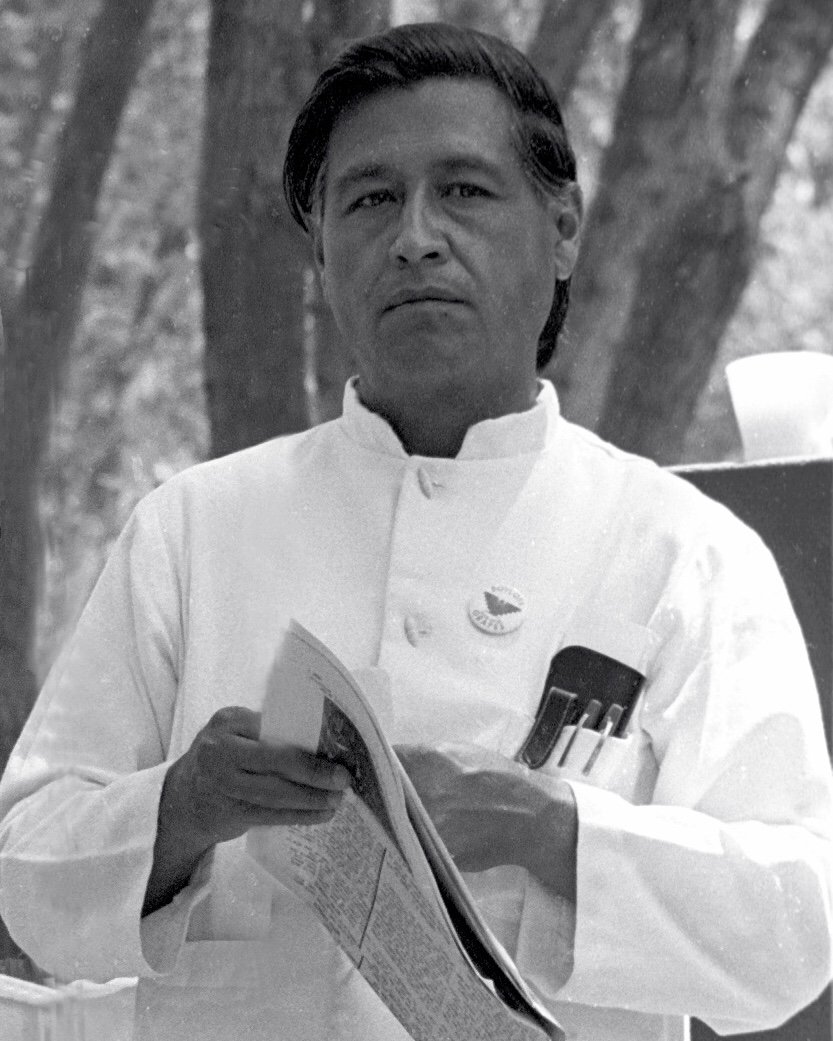
In the spring of 2000, a single California law made César Chávez the first farmworker in the history of the United States to be honored with a paid state holiday in his own name. The author was Richard G. Polanco. This is the record of that law.
-
Honoring Senator Richard G. Polanco: A Note from the Family
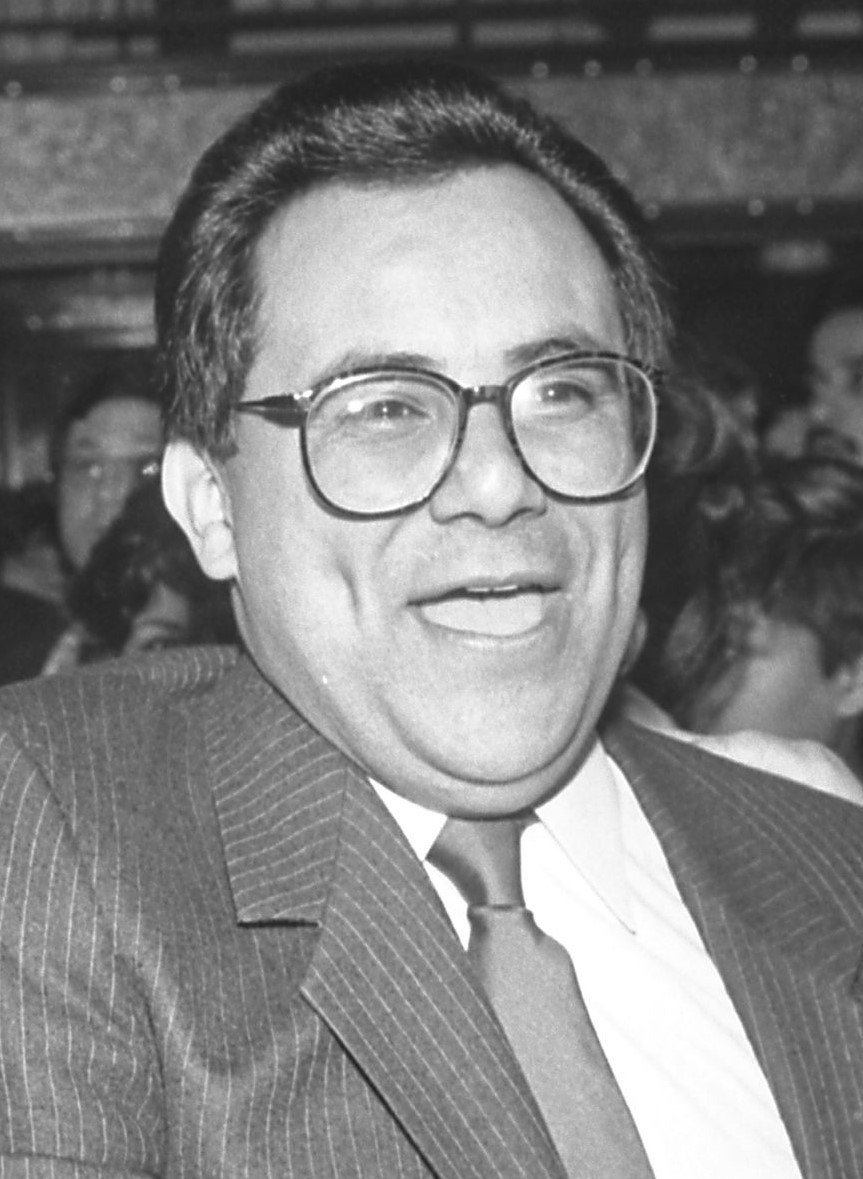
For sixteen years, our father represented our community in the California State Legislature. A welcome to the legislative archive from the Polanco family.