Author: Admin
-
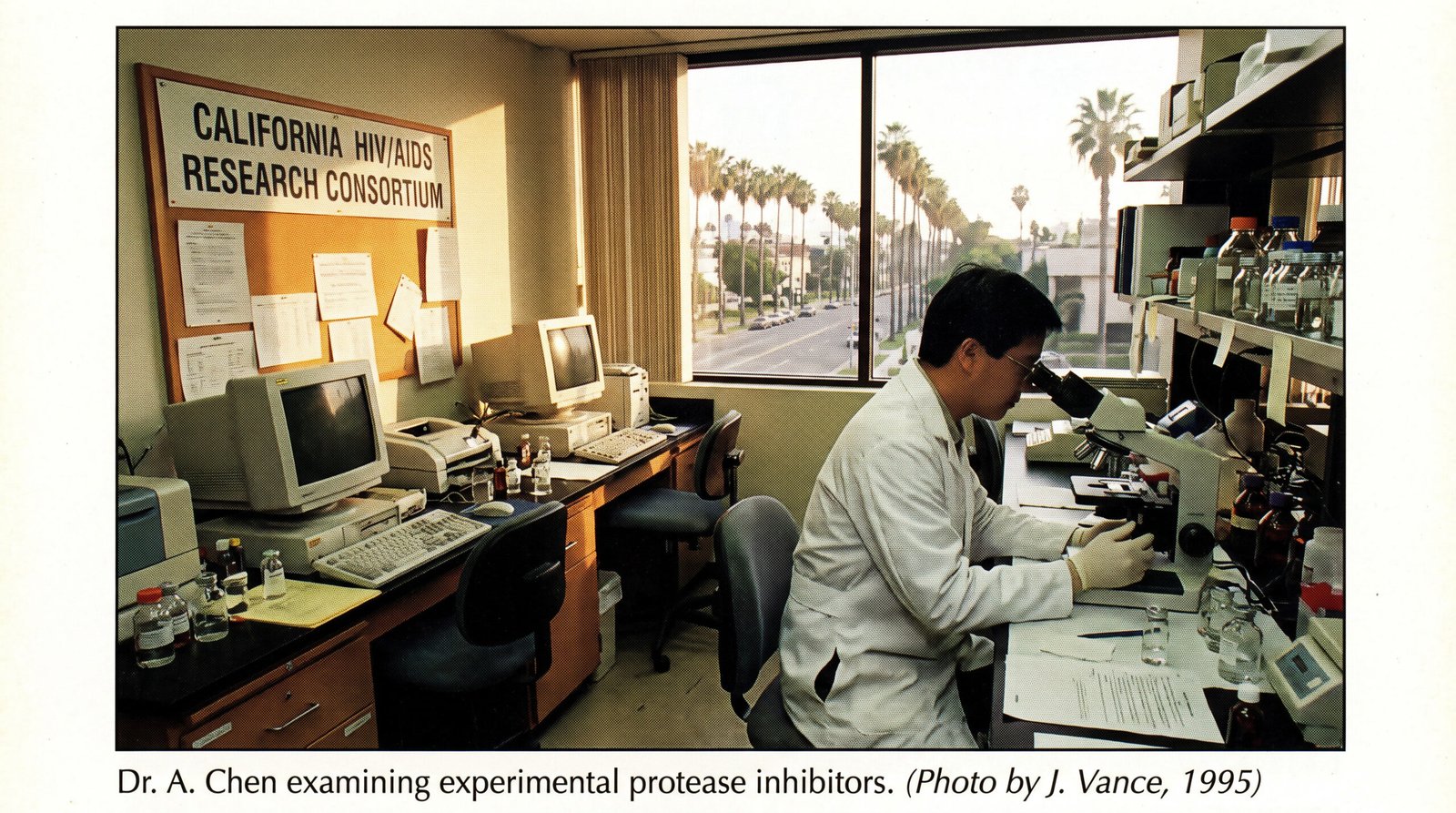
The AIDS Treatment Access Act: How SB 1944 Sought to Expand Access to Protease Inhibitor Treatments
In 1996, the California resident living with HIV who could benefit from the new protease inhibitor treatments was, in most cases, a resident who could not afford the new treatments. Senator Richard G. Polanco wrote a law that subsidized the cost. The law was SB 1944, and it DIED IN COMMITTEE in May 1996.
-
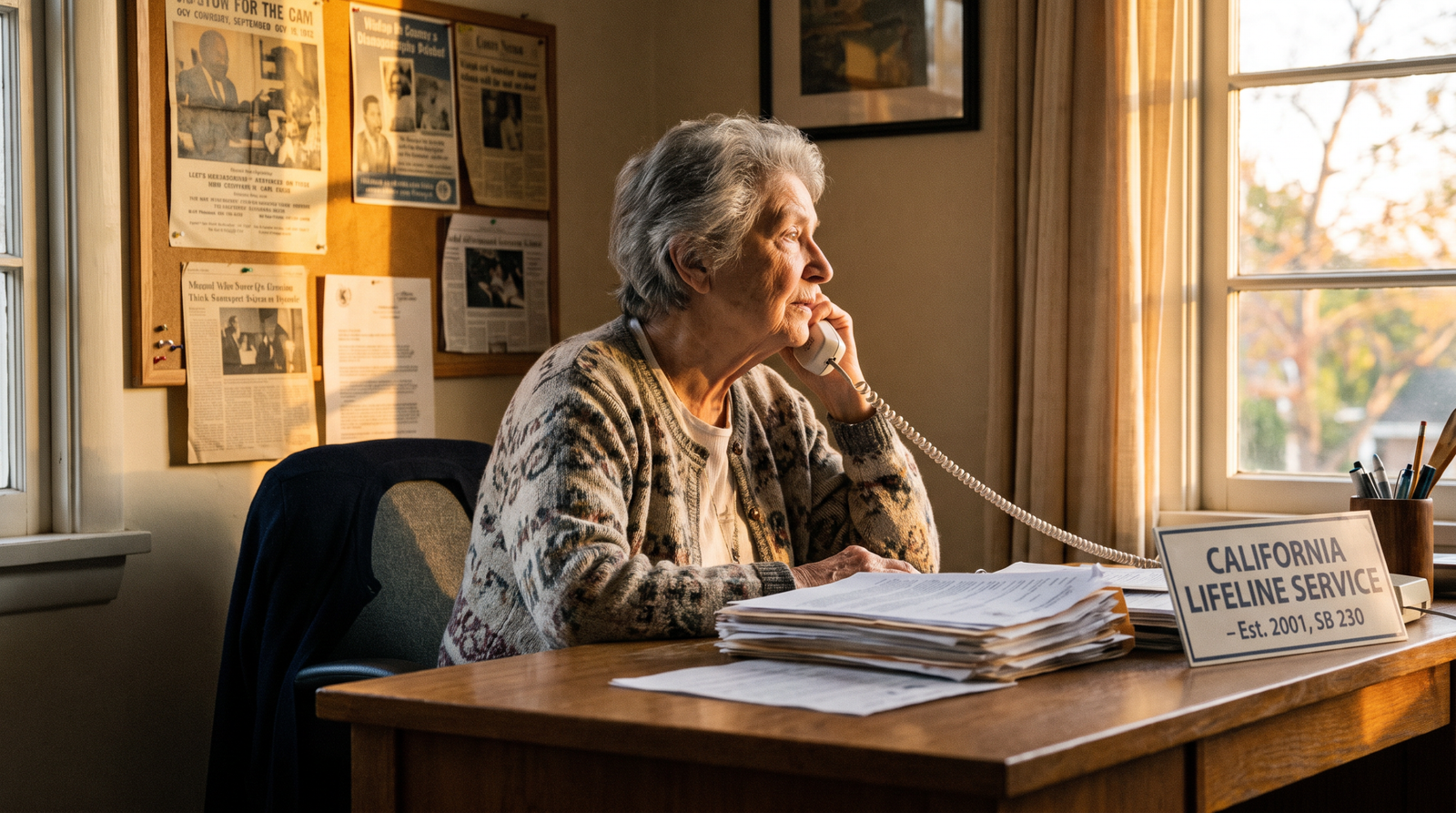
The Universal Lifeline Telephone Service Act: How SB 230 Sought to Subsidize Basic Telephone Service
In 2002, the California low-income household that could not afford the basic telephone service was, in most cases, a household being disconnected from the civic participation. Senator Richard G. Polanco wrote a law that subsidized the service. The law was SB 230, VETOED by Governor Davis in September 2002.
-
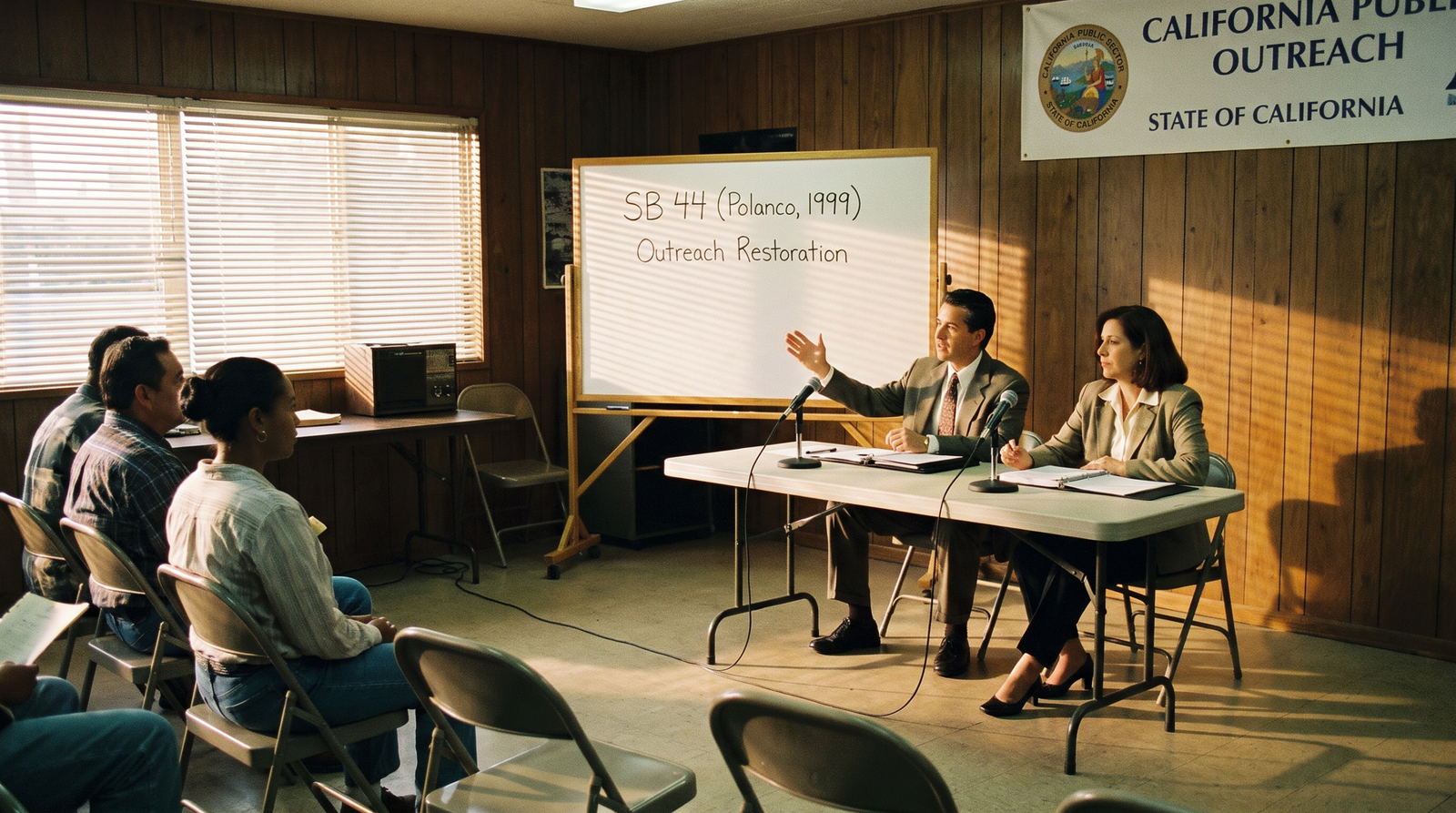
The Public Sector Outreach Reform Act: How SB 44 Sought to Restore Outreach Programs After Proposition 209
In 1999, the California state agency reaching out to the women-owned and minority-owned businesses was, in most cases, an agency that had been restricted by Proposition 209. Senator Richard G. Polanco wrote a law that used race-neutral methods to restore the outreach. The law was SB 44, VETOED by Governor Davis in September 1999.
-

The HIV Medicaid Expansion Act: How SB 1035 Sought to Expand California HIV Medication Access
In 1997, the California resident living with HIV but not yet eligible for the full AIDS disability benefits was, in most cases, a resident who could not afford the HIV medication. Senator Richard G. Polanco wrote a law that expanded the eligibility. The law was SB 1035, VETOED by Governor Wilson in September 1997.
-
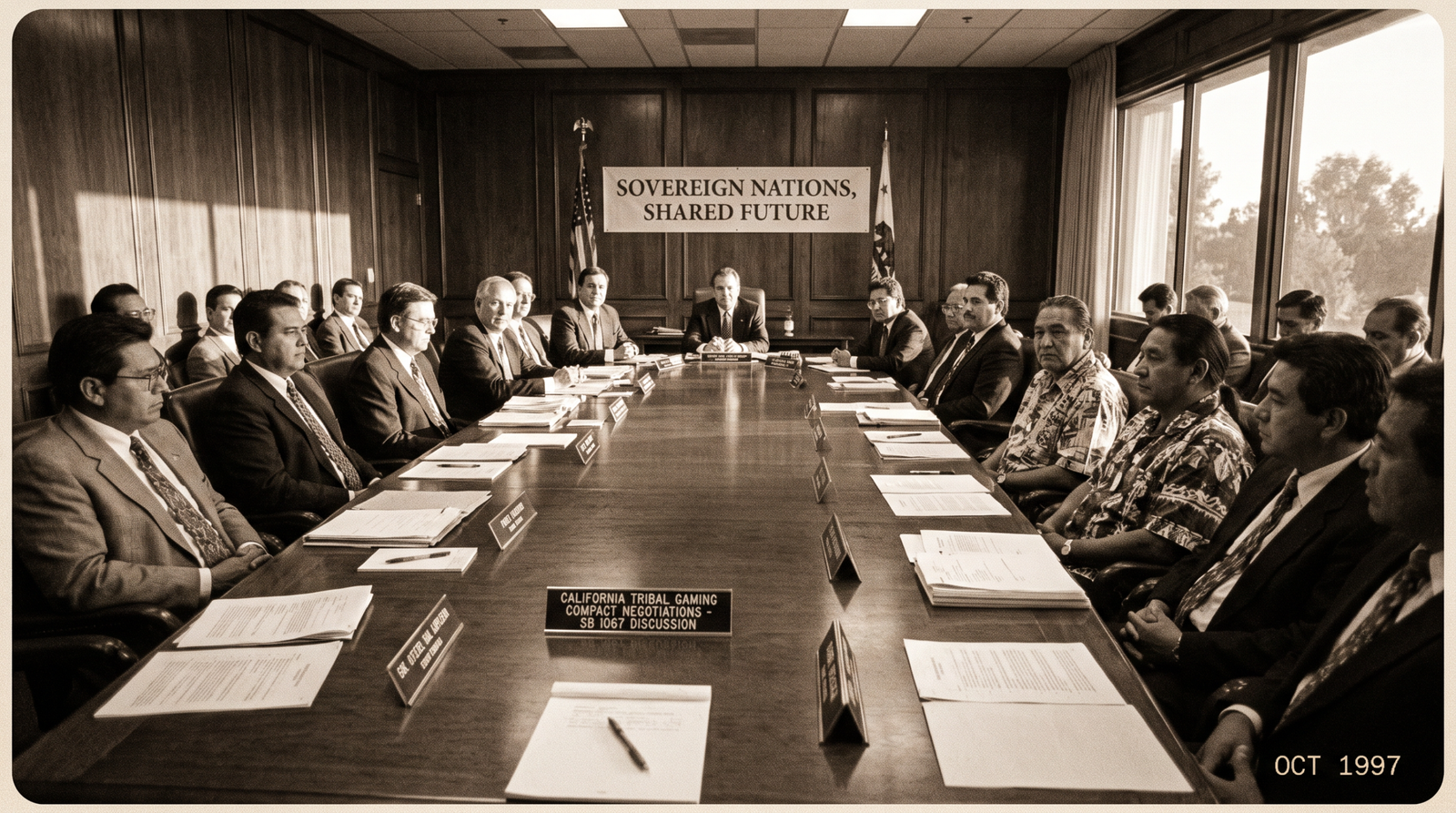
The Indian Gaming Compacts Act: How SB 1067 Sought to Implement the Federal Indian Gaming Regulatory Act
In 1997, the federally recognized California tribe wanting to operate a Class III casino was, in most cases, a tribe operating in the legal uncertainty. Senator Richard G. Polanco wrote a law that implemented the federal Indian Gaming Regulatory Act. The law was SB 1067, VETOED by Governor Wilson in September 1997. SB 1350 (Polanco,…
-
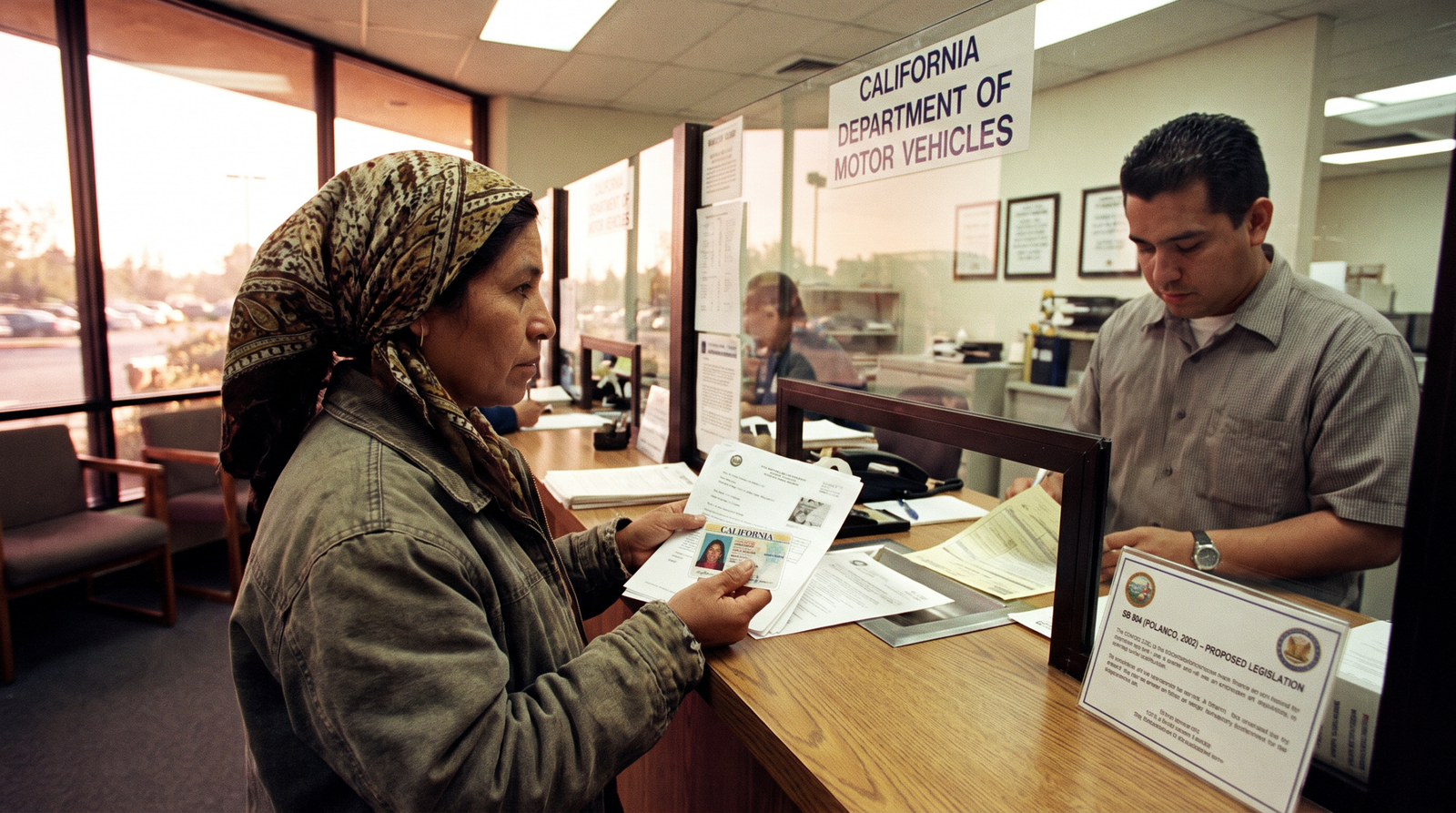
The Driver Licenses for Immigrants Act: How SB 804 Sought to Extend California Driver License Access
In 2002, the California undocumented immigrant driving to work was, in most cases, an immigrant driving without a California driver license. Senator Richard G. Polanco wrote a law that extended the access. The law was SB 804, VETOED by Governor Davis in September 2002, in the post-9-11 environment. SB 804 is the direct ancestor of…
-

The Polanco Citizenship Center Program: How SB 872 Sought to Fund California Citizenship Education
In 2000, the California legal permanent resident preparing to apply for U.S. citizenship was, in most cases, a resident who could not afford the private preparation classes. Senator Richard G. Polanco wrote a law that funded the preparation. The law was SB 872, and it was VETOED by Governor Davis in September 2000.
-
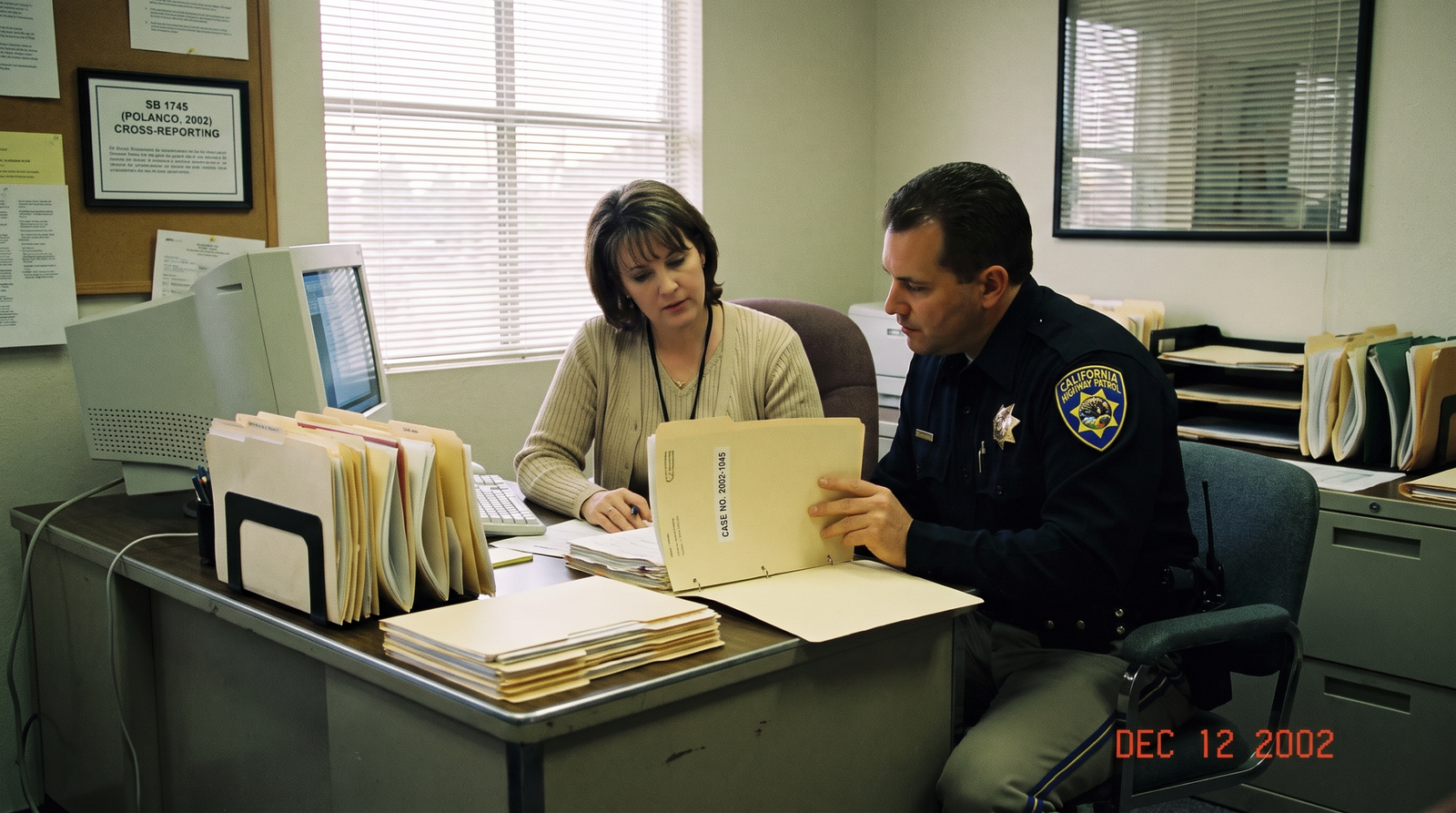
The CPS and Law Enforcement Cross-Reporting Act: How SB 1745 Gave the State the Data to Identify the Patterns of Abuse
In 2002, the California child that was the subject of a Child Protective Services case was, in most cases, a child that CPS and the law enforcement agencies were tracking in two different filing cabinets. Senator Richard G. Polanco wrote a law that required the cross-reporting. The law was SB 1745.
-

The Community Colleges Economic Workforce Development Reauthorization: How SB 1566 Renewed the Program Created by SB 1809
In 2002, the California community college that was providing the workforce training was, in most cases, watching the program that Polanco had created with SB 1809 in 1996 sunset. Senator Richard G. Polanco wrote a law that reauthorized the program. The law was SB 1566.
-
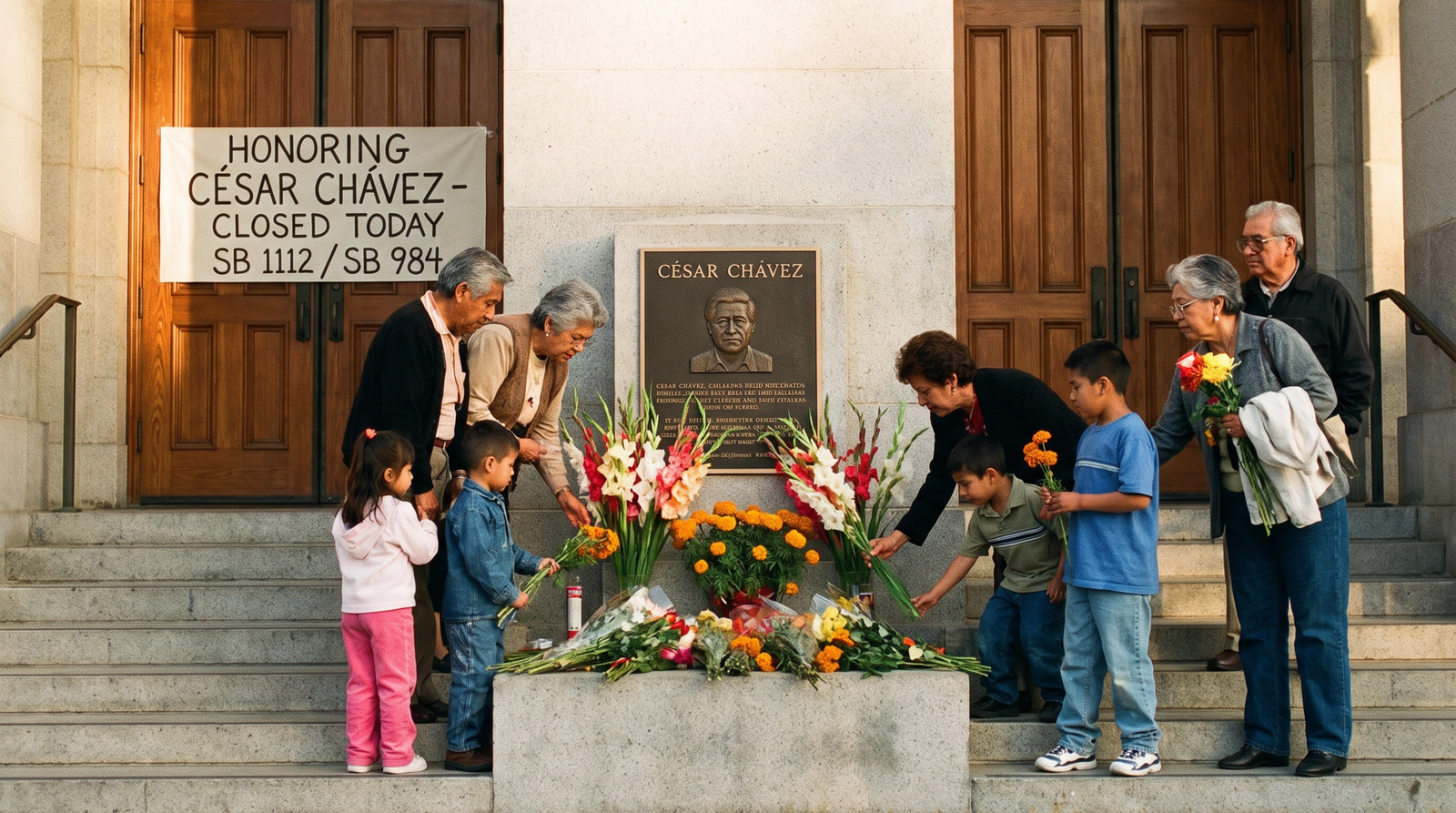
The César Chávez Day Court Holiday Act: How SB 1112 Made March 31 a Coordinated California Holiday
In 2000, the California state court that was hearing cases on March 31 was, in most cases, a court that was hearing cases on the day that the state employees were being given as a paid holiday. Senator Richard G. Polanco wrote a law that closed the court. The law was SB 1112.