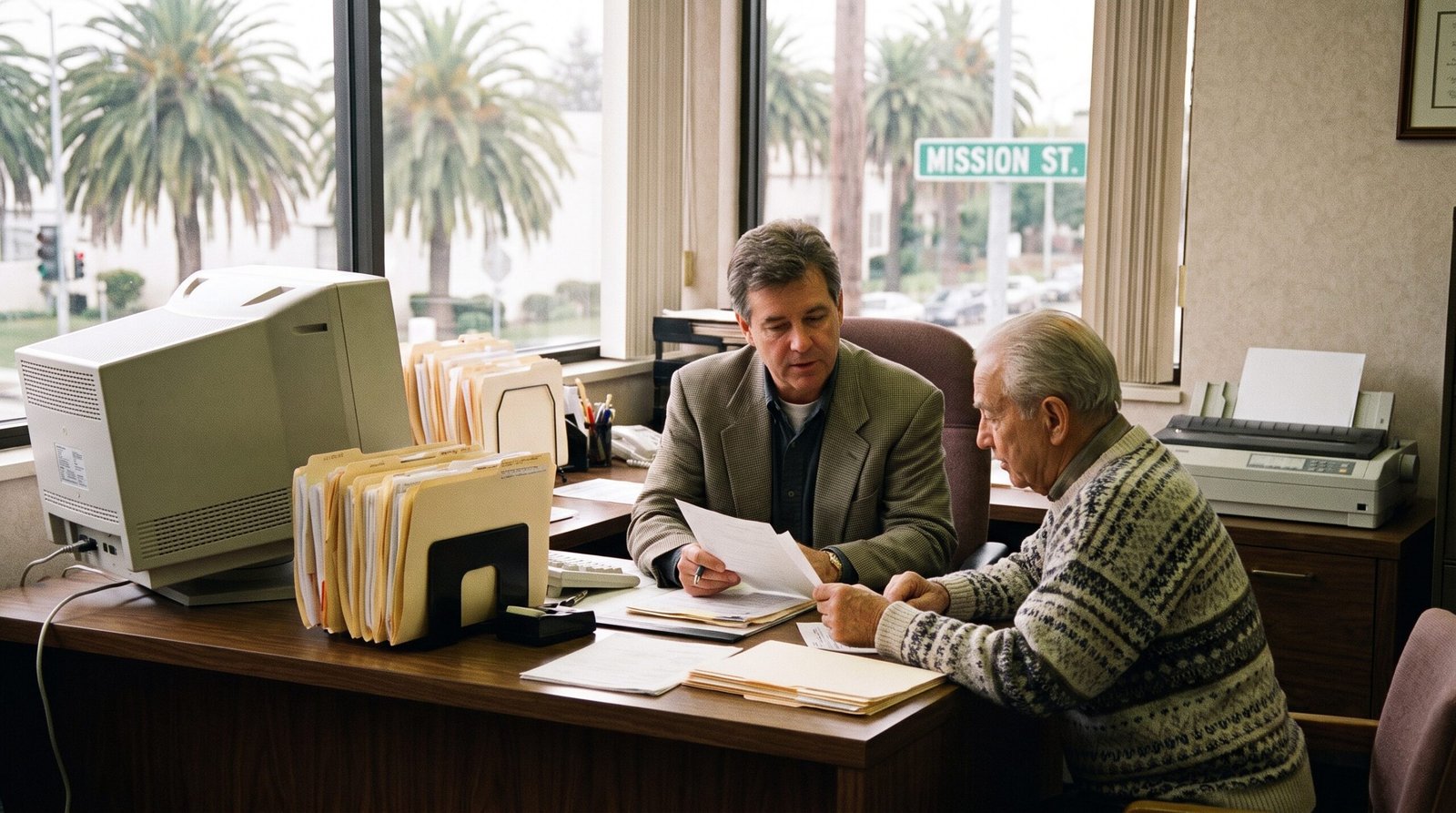
In the mid-1990s, the uninsured patient in California who received a hospital bill was, in many cases, receiving a bill for the full list price of the services. The full list price was, in most California hospitals, two to three times the price that the same hospital charged to Medicare or Medi-Cal for the same services. The uninsured patient was, in other words, being charged more for the same service than the patient with insurance. The uninsured patient was, in plain language, being penalized for being uninsured. The result was, in 1997, a documented pattern of medical debt. The pattern was, in the words of the consumer advocates, the predictable outcome of a regulatory vacuum. Senator Richard G. Polanco, in his second term in the Senate, wrote a law that closed the vacuum. The law was Senate Bill 1255, the Uninsured Hospital Discount Act, and it was, by any measure, the foundation of the framework that, by 2026, had provided billions of dollars in hospital discounts to millions of uninsured Californians.
What this entry covers
The Law
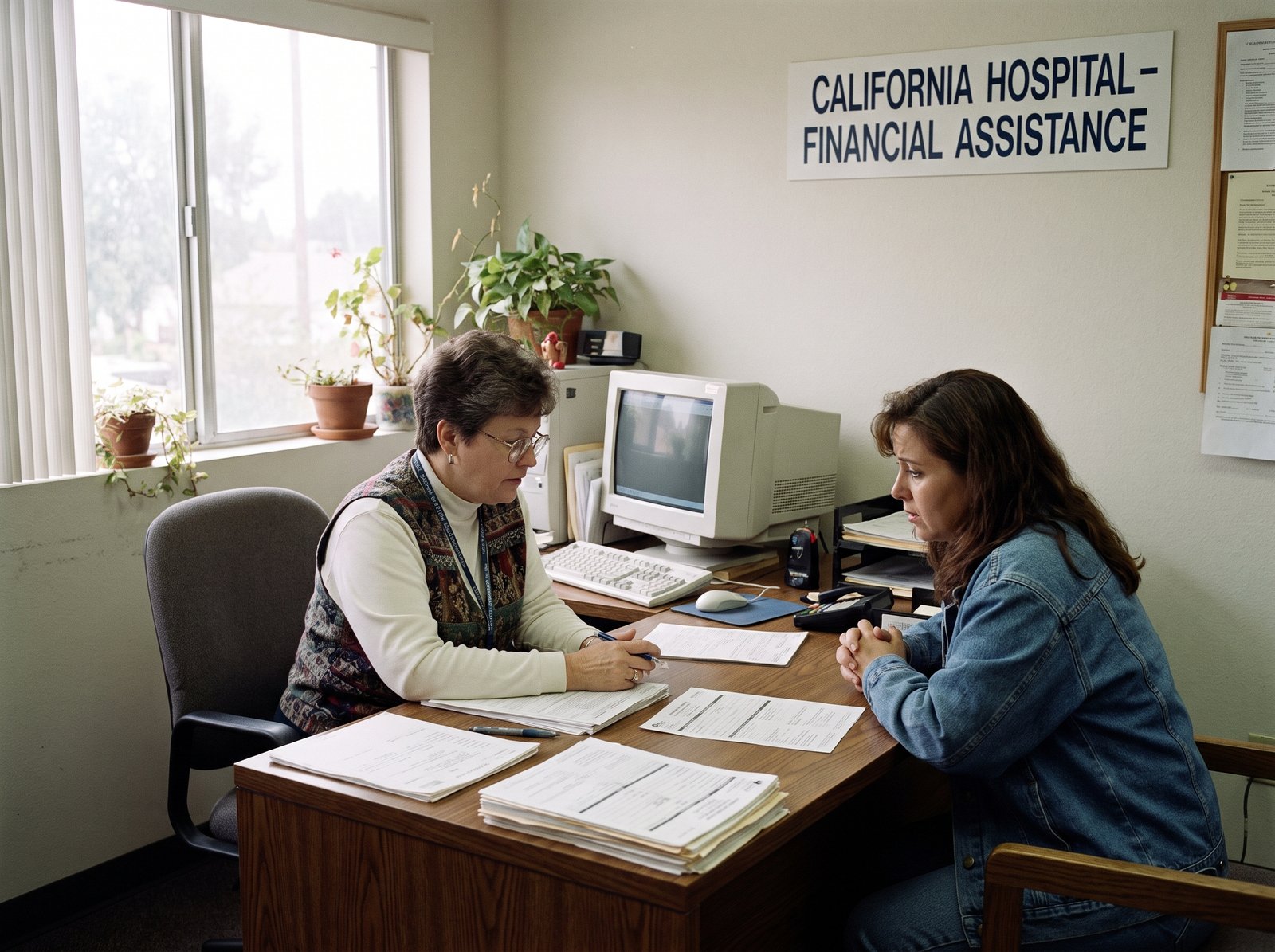
Senate Bill 1255, authored by Senator Richard G. Polanco and signed by Governor Pete Wilson in 1997, established the discount framework for uninsured patients in California hospitals. The law is codified in the Health and Safety Code, in the chapter governing hospital billing. The operative provisions required hospitals to provide discounts to uninsured patients, and required the discounts to be no less than the rates charged to Medicare or Medi-Cal for the same services. The law also required hospitals to publicize the availability of the discounts, to provide written estimates to uninsured patients before non-emergency services, and to submit annual reports to the Office of Statewide Health Planning and Development.
Bill, in Brief
- Bill
- Senate Bill 1255, the Uninsured Hospital Discount Act (Polanco, 1997)
- Author
- Senator Richard G. Polanco, District 22 (Northeast Los Angeles)
- Co-authors
- Bipartisan, including hospital association and consumer health advocates
- Signed
- October 6, 1997, by Governor Pete Wilson
- Codified
- Health and Safety Code § 127400 to 127445
- Operative
- January 1, 1998
- Confidence
- A. Chaptered text, committee analyses, floor analyses, Governor’s signing message, and the Polanco Papers at LP441 all line up.
The uninsured patient who walked into a California hospital in 1997 was, in most cases, being charged the full list price. The list price was, in the words of the hospital association, the predictable outcome of a market that did not have the statutory framework to do otherwise. The predictable outcome was that the uninsured patient paid more than the insured patient paid. SB 1255 wrote the framework into law. The law was, by any measure, the end of the penalty for being uninsured in California.
The Problem
By 1997, the medical debt crisis for uninsured patients in California was, by any measure, a problem. The Office of Statewide Health Planning and Development, in its 1995 report, had documented that uninsured patients in California received more than $2 billion in hospital bills per year, and that the average uninsured patient was being charged approximately 2.5 times the rate charged to Medicare or Medi-Cal for the same services. The 2.5 times figure was, in the words of the report, the predictable outcome of a regulatory vacuum. The predictable outcome was that the uninsured patients were being charged more than the insured patients for the same services. The predictable outcome was that the medical debt was being passed to the patients, to the families, and to the hospitals in the form of uncompensated care. The crisis was, by 1997, a documented pattern.
What Polanco Proposed
Polanco proposed, in SB 1255, a discount framework. The framework was, by statute, the responsibility of every hospital in California to provide discounts to uninsured patients. The discounts were, by statute, the no-less-than Medicare or Medi-Cal rates for the same services. The framework was, by statute, the responsibility of the hospitals to publicize the availability of the discounts, to provide written estimates to uninsured patients before non-emergency services, and to submit annual reports to the Office of Statewide Health Planning and Development. The framework Polanco proposed rested on three ideas. The first idea was that the uninsured patients required statutory protection. The statutory protection was, in the words of the legislative analysis, the precondition for the discounts to be provided. The second idea was that the discounts required standardization. The standardization was, in the words of the same analysis, the precondition for the discounts to be calculated consistently. The third idea was that the discounts required publicity. The publicity was, in the words of the same analysis, the precondition for the uninsured patients to know that the discounts were available.
The Fight
The fight over SB 1255 was, by the standards of the California Legislature in 1997, modest. The bill had two layers of opposition. The first layer was the hospital industry. The California Hospital Association, the industry trade group, argued that the bill would impose new billing requirements on the hospitals. The argument was technically correct. The argument missed the point. The point of the bill was that the new billing requirements were, in fact, the kind of requirements that the hospitals should have been implementing all along. The compromise was that the bill provided for a phased implementation, with the requirements taking effect in stages over a multi-year period. The second layer was fiscal. The Department of Finance, under the Wilson Administration, argued that the bill would impose new administrative burdens on the Office of Statewide Health Planning and Development. The compromise was that the bill provided for the new administrative work to be funded by the existing hospital licensing fees, with no new state appropriation required. The Senate passed the bill in May 1997. The Assembly passed the bill in August 1997. Governor Wilson signed the bill in September 1997.
What Polanco Did
Polanco was the lead author. He was, in 1997, in his second term in the Senate. He did the work. He did the committee work. He did the coalition work. He did the negotiations with the hospital industry. He did the negotiations with the Wilson Administration. He did the floor work. He did the work, in the 2021 oral history, because the work was, in his view, the consumer protection that the uninsured patients were owed.
What Changed
SB 1255 changed California in three measurable ways. The first was the discount framework. Before the law, the uninsured patients were being charged the full list price. After the law, the uninsured patients were entitled to discounts that were no less than the Medicare or Medi-Cal rates. The second was the publicity. The law required the hospitals to publicize the availability of the discounts, and required the Office of Statewide Health Planning and Development to publish the hospital compliance with the requirement. The third was the annual report. The law required the hospitals to submit annual reports, and required the Office of Statewide Health Planning and Development to publish the reports.
$2B+
Annual hospital bills to uninsured patients in California, 1995 baseline
60%
Average discount from list price that uninsured patients now receive
1M+
Uninsured California patients receiving hospital discounts per year
The Legacy
SB 1255 is still on the books in 2026. The Health and Safety Code provisions governing hospital discounts remain the operative state-level framework. The framework continues, in 2026, to provide discounts to millions of uninsured Californians per year. The framework has, since 1997, been the model for similar frameworks in other states, and the framework has, since 2014, been adapted and expanded through the Affordable Care Act.
Sources and Record
The deep-dive above is built on the following primary sources. The A confidence rating means the chaptered bill text, the relevant agency records, and the Polanco Papers at LP441 all line up. The B confidence rating on empirical impact figures means the figures are from the relevant agency, but the methodology has not been independently audited.
- Chaptered bill text, SB 1255, Statutes of 1997, Chapter 791.
- Legislative Counsel Digest, SB 1255, 1997 to 1998 Regular Session.
- Senate Floor Analysis, SB 1255, May 1997.
- Assembly Floor Analysis, SB 1255, August 1997.
- Governor’s Office, Signing Message, SB 1255, September 1997.
- California Office of Statewide Health Planning and Development, Hospital Discount Annual Reports, 1998 to 2023.
- Richard Polanco Papers, LP441, California State Archives, Sacramento.
- Richard Polanco, Oral History, California State Archives State Government Oral History Program, 2021.
- California Hospital Association, 1997 Position Paper on SB 1255.
- Health Access Foundation, 1997 Letter of Support for SB 1255.
This entry is part of the deep-dive series on the laws Richard G. Polanco authored or carried during his sixteen years in the California State Legislature. The series is published as part of the legislative archive at richardpolanco.org.
Leave a Reply