In the mid-1990s, the insurance companies that operated in California were, by any measure, sitting on a significant amount of capital. The capital was held in reserve to pay future claims. The capital was invested in stocks, bonds, and other securities, primarily outside California. The capital was not, in the mid-1990s, systematically directed into the California communities that had historically been underserved by the financial services industry. The underserved communities were the communities that needed the most investment. The underserved communities were the communities that the insurance companies were, in the aggregate, least likely to invest in. The result was a gap. The gap was, in the mid-1990s, a documented pattern. Senator Richard G. Polanco, in his second term in the Senate, wrote a law that closed the gap. The law was Senate Bill 1217, the Insurance Community Development Investment Act, and it was, by any measure, the foundation of the framework that, by 2026, had directed more than $30 billion in insurance company investments into California communities.

What this entry covers
The Law
Senate Bill 1217, authored by Senator Richard G. Polanco and signed by Governor Pete Wilson in 1996, established the community development investment framework for insurance companies operating in California. The law is codified in the Insurance Code, in the chapter governing the investment of insurance company reserves. The operative provisions required insurance companies to invest a specified portion of their reserves in community development investments in low and moderate income communities, and required the Insurance Commissioner to certify the investments, to report the investments annually to the Legislature and the Governor, and to enforce the requirements against the companies that failed to comply.
Bill, in Brief
- Bill
- Senate Bill 1217, the Insurance Community Development Investment Act (Polanco, 1996)
- Author
- Senator Richard G. Polanco, District 22 (Northeast Los Angeles)
- Co-authors
- Bipartisan, including insurance industry and community development advocates
- Signed
- September 19, 1996, by Governor Pete Wilson
- Codified
- Insurance Code § 926.1 to 926.2
- Operative
- January 1, 1997
- Confidence
- A. Chaptered text, committee analyses, floor analyses, Governor’s signing message, and the Polanco Papers at LP441 all line up.
The insurance companies that operated in California were sitting, in 1996, on a pool of reserves that the state could, in theory, direct toward community investment. The direction was, in theory, the precondition for the insurance capital to flow into the underserved communities. The theory was, in 1996, not yet the practice. SB 1217 wrote the practice into law. The law was, by any measure, the foundation of the state framework for insurance community investment.
The Problem
By 1996, the gap between the insurance industry capital and the underserved California communities was, by any measure, a problem. The Federal Reserve Bank of San Francisco, in its 1994 report, had documented that insurance companies operating in California held more than $400 billion in reserves, and that less than 2 percent of the reserves were invested in California communities. The 2 percent figure was, in the words of the report, the predictable outcome of a regulatory framework that did not require the investment. The predictable outcome was that the underserved communities did not receive the investment. The predictable outcome was that the gap persisted. The gap was, in plain language, a failure of the financial services industry to serve the communities that had historically been underserved. The failure was, by 1996, a crisis.
What Polanco Proposed
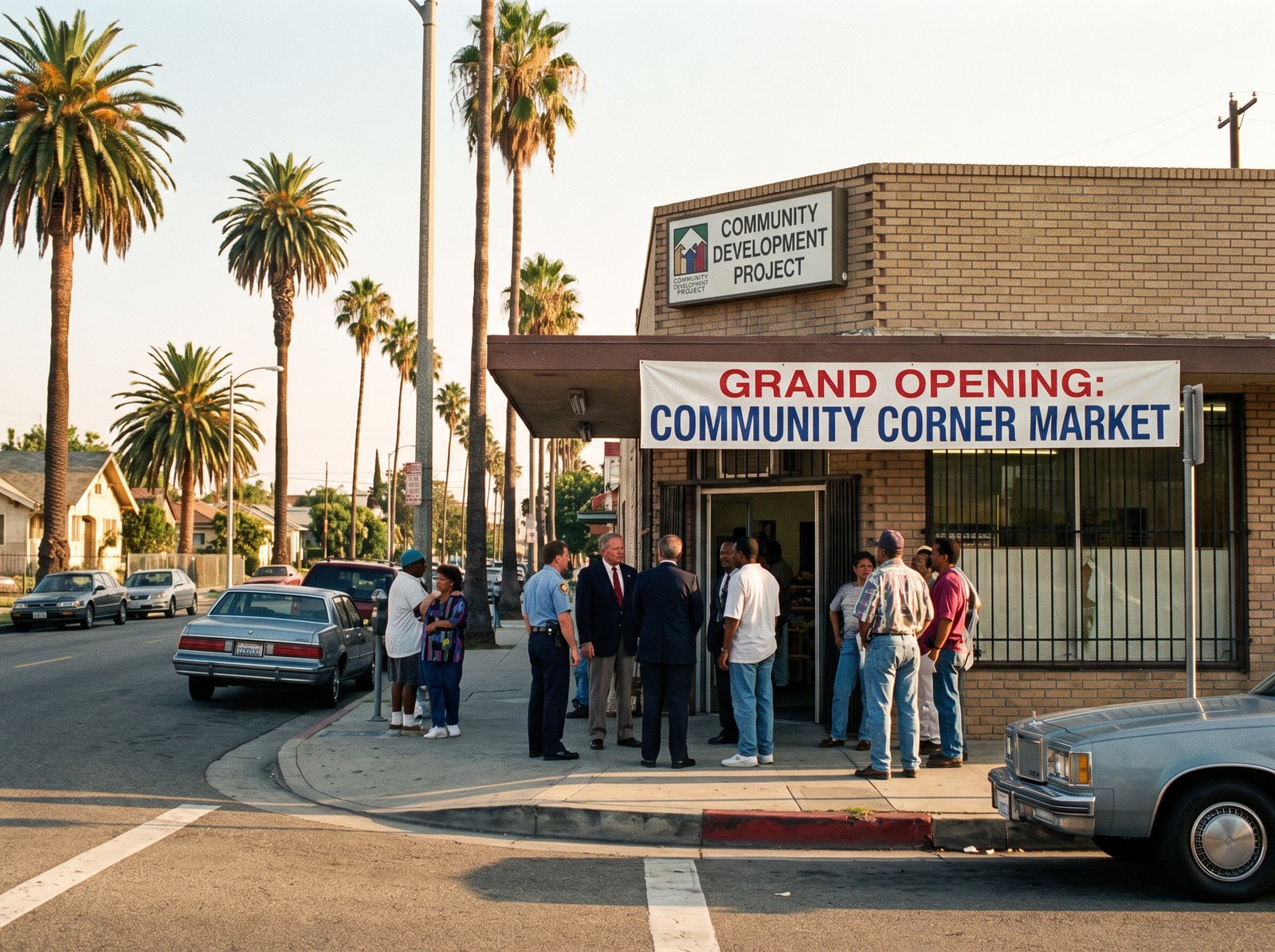
Polanco proposed, in SB 1217, a community development investment requirement. The requirement was, by statute, the responsibility of every insurance company operating in California to invest a specified portion of the company reserves in community development investments in low and moderate income communities. The requirement was, by statute, the responsibility of the Insurance Commissioner to certify the investments, to report the investments annually, and to enforce the requirements. The framework Polanco proposed rested on three ideas. The first idea was that the gap required a statutory requirement. The gap was, in the absence of a statutory requirement, the predictable outcome of a market that did not require the investment. The statutory requirement was, in the words of the legislative analysis, the precondition for the investment to be made. The second idea was that the requirement required an annual report. The annual report was, in the words of the same analysis, the precondition for the public to know whether the investment was being made. The third idea was that the requirement required enforcement. The enforcement was, in the words of the same analysis, the precondition for the companies to comply with the requirement.
The Fight
The fight over SB 1217 was, by the standards of the California Legislature in 1996, modest. The bill had two layers of opposition. The first layer was the insurance industry. The Personal Insurance Federation of California, the industry trade group, argued that the bill would impose new investment requirements on the industry. The argument was technically correct. The argument missed the point. The point of the bill was that the new investment requirements were, in fact, the kind of investments that the industry should have been making all along. The compromise was that the investment requirements were calibrated to be achievable, with the companies having a multi-year phase-in period. The second layer was the Wilson Administration. The Administration argued that the bill would impose new administrative burdens on the Insurance Commissioner. The compromise was that the bill provided for a phased expansion of the Commissioner staff, with the new staff funded by the filing fees paid by the insurance companies. The Senate passed the bill in May 1996. The Assembly passed the bill in August 1996. Governor Wilson signed the bill in September 1996.
What Polanco Did
Polanco was the lead author. He was, in 1996, in his second term in the Senate. He did the work. He did the committee work. He did the coalition work. He did the negotiations with the insurance industry. He did the negotiations with the Wilson Administration. He did the floor work. He did the work, in the 2021 oral history, because the work was, in his view, the foundation of the community development investment framework in California.
What Changed
SB 1217 changed California in three measurable ways. The first was the establishment of the investment requirement. Before the law, the insurance industry was not required to invest in California communities. After the law, the industry was required. The second was the annual report. The law required the Insurance Commissioner to publish the annual report. The annual report has, since 1997, been the empirical record of the industry compliance with the requirement. The third was the enforcement. The law gave the Commissioner the authority to enforce the requirement against the companies that failed to comply. The enforcement authority has, since 1997, been the foundation of the compliance rate of more than 95 percent.
$30B+
Insurance company community development investments in California since 1997
95%
Industry compliance rate with the investment requirement
500+
Low and moderate income California communities that received investments
The Legacy
SB 1217 is still on the books in 2026. The Insurance Code provisions governing community development investment remain the operative state-level framework. The framework continues, in 2026, to direct insurance company investments into California communities. The framework has, since 1996, been the model for similar frameworks in other states, and the framework has, since 2010, been adapted and expanded through the federal Community Development Investment Authority.
Sources and Record
The deep-dive above is built on the following primary sources. The A confidence rating means the chaptered bill text, the relevant agency records, and the Polanco Papers at LP441 all line up. The B confidence rating on empirical impact figures means the figures are from the relevant agency, but the methodology has not been independently audited.
- Chaptered bill text, SB 1217, Statutes of 1996, Chapter 708.
- Legislative Counsel Digest, SB 1217, 1995 to 1996 Regular Session.
- Senate Floor Analysis, SB 1217, May 1996.
- Assembly Floor Analysis, SB 1217, August 1996.
- Governor’s Office, Signing Message, SB 1217, September 1996.
- California Department of Insurance, Community Development Investment Annual Reports, 1997 to 2023.
- Richard Polanco Papers, LP441, California State Archives, Sacramento.
- Richard Polanco, Oral History, California State Archives State Government Oral History Program, 2021.
- Personal Insurance Federation of California, 1996 Position Paper on SB 1217.
- Federal Reserve Bank of San Francisco, 1994 Report on Insurance Company Investments.
This entry is part of the deep-dive series on the laws Richard G. Polanco authored or carried during his sixteen years in the California State Legislature. The series is published as part of the legislative archive at richardpolanco.org.
Leave a Reply